
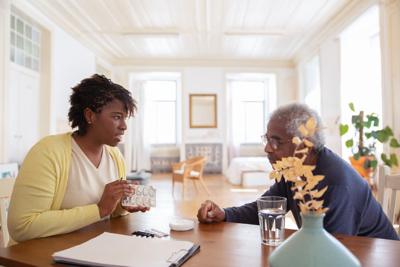

A comfortable and safe home is truly the foundation for everyone in the family, no matter their age. Whether you have little ones exploring every nook and cranny or seniors enjoying their independence, making sure your living space is secure is a goal we all share. The good news is, you don't need a massive renovation to create a safer home. Often, just a few thoughtful tweaks can make a huge difference in preventing accidents and making sure everyone feels cozy and protected. This guide will walk you through some key updates and ideas to boost safety all around your house.
Common Household Hazards to Address
It's funny how many hidden risks lurk in our homes that we just don't notice during our daily routines. Things like cluttered hallways, electrical cords snaking across the floor, or rugs that just won't stay put are often the culprits behind trips and falls. And in the kitchen or bathroom, a simple water spill can turn a floor slick in a flash. It really helps to take a fresh look at your home, almost like a detective, specifically hunting for these common safety threats.
A great place to start is by tidying up your pathways and securing anything that's loose. Grab some cord organizers to bundle up those electrical wires and keep them out of the way. For area rugs, a bit of double-sided tape or a non-slip pad underneath will keep them firmly in place. In the kitchen, try to get into the habit of wiping up spills right away. Also, make sure your most-used items are easy to reach so you don't have to balance on a wobbly step stool.
Preventing Falls with Simple Updates
Falls are a big concern at home, affecting both the youngest and oldest members of the family. Luckily, many of them are easy to prevent with just a few simple changes. Bathrooms are a prime spot to focus on. Installing grab bars in the shower and next to the toilet offers some really important support. And using non-slip mats, both inside the tub and on the bathroom floor, adds another layer of stability.
Beyond the bathroom, take a good look at your stairways. Make sure they're well-lit and that any carpet is securely fastened. If you have hard-surface stairs, adding non-slip treads can give you much better grip. And here's a simple but super effective habit for the whole family: keep stairways and all walking paths completely clear of things like shoes, bags, or toys.
The Role of Dedicated Support in Safety
While making physical changes to your home is super important, sometimes the best safety feature you can have is another person. For folks who need a little extra help with daily tasks, having dedicated support can be the secret to living safely and independently, especially when you're looking into options for senior living. This is particularly true for older adults who might find mobility, cooking, or managing medications a bit challenging, especially when families are considering aging at home and the care that may be needed.
Having a trusted individual around can actually stop accidents before they even happen. If your family is looking to help an older loved one remain safe and independent at home, professional Senior Care can provide personalized support with everyday needs such as personal care, mobility, medication reminders, meal preparation, companionship, and light housekeeping. Some in-home care providers can also offer home safety assessments to help identify potential hazards and make the living environment safer. This kind of support doesn't just make things safer; it also provides valuable social interaction and helps someone keep their dignity and routine right in their own home.
Lighting Up Your Living Spaces Safely
Good lighting is one of the easiest and most affordable ways to make your home safer. Dimly lit areas can hide obstacles and make it tough to get around, especially at night. A simple fix is to put nightlights in hallways, bathrooms, and bedrooms. They give off a soft, guiding glow after dark.
Take a moment to check the brightness in key areas of your home. Task lighting in the kitchen can make preparing food much safer, while brighter bulbs on staircases and in entryways can help prevent missteps. For outside, think about adding motion-sensor lights along walkways and near doors. They'll light up when you need them, making things more secure and helping you avoid falls when you're coming or going.
Emergency Preparedness at Home
Being ready for the unexpected is the final, crucial piece of the home safety puzzle. This means having a plan for things like power outages, medical emergencies, or bad weather. Start by putting together a basic emergency kit with essentials like a flashlight, batteries, a first-aid kit, bottled water, and some non-perishable food.
Every home should have working smoke and carbon monoxide detectors. Test them every month and swap out the batteries at least once a year. It's also smart to have a family communication plan, so everyone knows who to call and where to meet up if you get separated during an emergency. Using a comprehensive home safety checklist can really help you think of everything and make sure all your bases are covered.
Taking these proactive steps helps you tackle potential risks and create a more secure environment. A safe home lets every family member, from the youngest to the oldest, live with more confidence and comfort.


(0) comments
We welcome your comments
Log In
Post a comment as Guest
Keep it Clean. Please avoid obscene, vulgar, lewd, racist or sexually-oriented language.
PLEASE TURN OFF YOUR CAPS LOCK.
Don't Threaten. Threats of harming another person will not be tolerated.
Be Truthful. Don't knowingly lie about anyone or anything.
Be Nice. No racism, sexism or any sort of -ism that is degrading to another person.
Be Proactive. Use the 'Report' link on each comment to let us know of abusive posts.
Share with Us. We'd love to hear eyewitness accounts, the history behind an article.