
Landscaping can be a rewarding endeavor, but it often comes with its share of challenges—piles of debris, heavy materials to move, and endless trips back and forth to clear waste. Whether you’re transforming your backyard into a serene oasis or tackling a large-scale garden project, these obstacles can quickly become overwhelming. That’s where self-dumping hoppers come into play.
Designed to simplify the toughest landscaping tasks, self-dumping hoppers are more than just tools—they’re problem-solvers. From hauling heavy materials to managing debris efficiently, these versatile solutions are transforming how homeowners and professionals approach outdoor projects. In this article, we’ll explore the many ways self-dumping hoppers can help you overcome common landscaping hurdles, making your next project smoother, safer, and more efficient.
Understanding Self-Dumping Hoppers
When faced with the challenges of landscaping, having the right tools can make all the difference. Self-dumping hoppers are one such tool designed to take the physical strain and inefficiency out of moving and managing heavy materials. But what exactly are they, and how do they work?
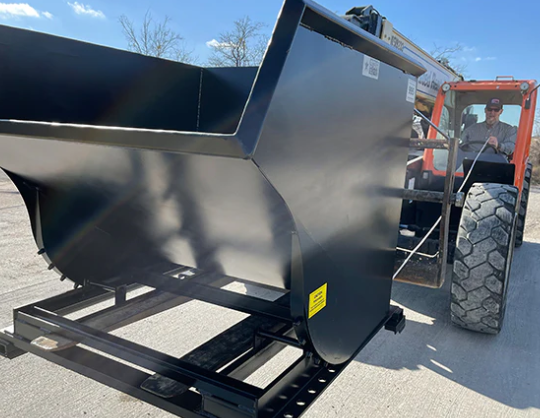
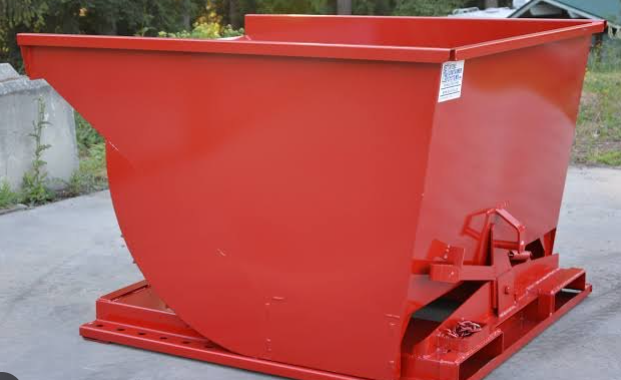
A self-dumping hopper is a sturdy, wheeled container built to carry and dump materials with minimal effort. They are equipped with a mechanism that allows the container to tilt forward and empty its contents, making them ideal for handling large quantities of soil, gravel, mulch, or even debris. These hoppers are commonly used in construction and industrial settings, but they’re increasingly popular among homeowners taking on ambitious landscaping projects.
What makes self-dumping hoppers so versatile is their ease of use and ability to streamline tasks. Whether you’re clearing fallen branches after a storm or transporting pavers for a new garden path, these tools reduce the time and energy required to get the job done. For anyone tackling outdoor projects, they’re not just a convenience—they’re an essential part of the process.
By understanding what self-dumping hoppers are and how they function, it’s easy to see why they’re a game-changer for homeowners and professionals alike. In the next section, we’ll dive into the specific challenges they can solve in your landscaping endeavors.
Landscaping Challenges They Solve
Landscaping projects often present a wide range of challenges, from managing debris to transporting heavy materials. Self-dumping hoppers rise to the occasion, offering efficient solutions for tasks that would otherwise require significant time and labor. Here are some common landscaping hurdles that these versatile tools can help solve:
Debris Removal
Clearing debris is a constant challenge, whether you’re dealing with fallen leaves, grass clippings, or branches after a storm. Self-dumping hoppers make this process seamless by allowing you to gather and transport yard waste in one go. Instead of countless trips with a wheelbarrow or garbage bags, you can load all the debris into a hopper and dump it directly into a compost pile or disposal site. This not only saves time but also keeps your workspace organized and hazard-free.
Transporting Heavy Materials
Landscaping often involves moving bulk materials such as soil, mulch, gravel, or stones. Self-dumping hoppers simplify this task by providing a sturdy container that can handle significant weight. With their tilting mechanism, unloading these materials becomes effortless, reducing strain on your back and minimizing the risk of injury. Whether you’re filling raised garden beds or creating a gravel pathway, a self-dumping hopper ensures the job is done efficiently.
For additional guidance on safe landscaping practices, this comprehensive resource on professional landscaping offers valuable insights.
Construction Debris Management
For larger projects, such as building retaining walls or installing outdoor patios, managing construction debris is critical to keeping the site safe and functional. Self-dumping hoppers excel in this area by providing a centralized place to collect and remove scrap materials like bricks, concrete, or excess dirt. This helps maintain a clean workspace and prevents delays caused by clutter.
Composting and Sustainable Gardening
Self-dumping hoppers are an invaluable tool for eco-conscious gardeners. They can be used to collect organic waste, such as grass clippings, weeds, and vegetable scraps, for composting. By efficiently transporting and managing these materials, homeowners can create nutrient-rich compost that supports sustainable gardening practices.
Large-Scale Landscaping Projects
When tackling extensive landscaping projects, such as installing water features, planting large trees, or redesigning a backyard, self-dumping hoppers come into their own. Their capacity to handle heavy loads and their maneuverability make them indispensable for moving bulky or unwieldy items with ease. For homeowners and professionals alike, these tools are essential for maintaining productivity on larger-scale projects.
Self-dumping hoppers are more than just a convenience; they are a solution to many of the common challenges faced in landscaping. In the following section, we’ll explore practical tips for homeowners to maximize their use of these innovative tools.
Tips for Homeowners Using Self-Dumping Hoppers
Self-dumping hoppers are an efficient and versatile solution for tackling landscaping challenges, but using them effectively requires some forethought. Whether you’re embarking on a DIY garden makeover or managing regular yard maintenance, these practical tips will help you get the most out of your self-dumping hopper.
Choose the Right Hopper for Your Needs
Self-dumping hoppers come in various sizes and materials, so selecting the right one is crucial for your project.
Small Projects: For tasks like garden bed cleanups or minor landscaping, a compact hopper with a lower capacity is sufficient.
Large Projects: If you’re handling heavy materials like rocks or soil, opt for a durable hopper with a higher weight limit and larger volume. Consider features such as wheels for mobility or a protective finish to resist corrosion, especially for outdoor use.
A Google search for "self dumping hoppers near me" can help you find solutions tailored to landscaping and yard care needs.
Plan the Workspace
Before you start, take time to map out where you’ll position and move the hopper.
Keep it close to the area you’re working on to minimize effort.
Ensure there’s a clear path for maneuvering the hopper, especially if it’s loaded with heavy materials.
By organizing your workspace, you can save time and energy while avoiding potential accidents. For more creative ways to enhance your landscaping projects, check out this insightful guide on landscaping design inspiration.
Use Proper Loading Techniques
To maximize efficiency and safety:
Distribute weight evenly in the hopper to prevent tipping or difficulty in maneuvering.
Avoid overloading the hopper beyond its capacity to reduce strain on the mechanism and ensure smooth dumping.
For bulky items like branches, stack them strategically to make unloading easier.
Follow Safety Precautions
Even the most robust tools require safe handling to avoid injury:
Wear gloves and sturdy footwear when loading or maneuvering the hopper.
Be cautious when tilting the hopper to dump materials, ensuring no one is standing in its path.
If your hopper is equipped with a locking mechanism, always engage it when not in use to prevent accidental tipping.
Maintain Your Hopper
Regular maintenance ensures your self-dumping hopper remains in top condition for years to come.
Clean the hopper after each use to prevent the buildup of dirt or corrosive materials.
Check the moving parts, such as the tilting mechanism and wheels, for wear and tear.
Store the hopper in a dry, sheltered area to protect it from the elements.
Repurpose for Other Tasks
Self-dumping hoppers aren’t just for landscaping. Consider using them for other household tasks, such as:
Cleaning out the garage or attic.
Transporting items during home renovations.
Managing waste during seasonal decorations or holiday cleanups.
By following these tips, homeowners can make their landscaping projects smoother, safer, and more efficient. In the concluding section, we’ll recap the versatility of self-dumping hoppers and encourage readers to consider them for their next outdoor endeavor.
Landscaping projects, whether small or large, come with their fair share of challenges—managing debris, moving heavy materials, and keeping the worksite organized. Self-dumping hoppers provide an effective solution to many of these obstacles, combining efficiency, durability, and ease of use. From seasonal garden cleanups to large-scale outdoor renovations, these versatile tools can simplify your workload, saving time and effort while enhancing safety.
By incorporating self-dumping hoppers into your landscaping routine, you can tackle even the most daunting projects with confidence. Whether it’s moving heavy loads, clearing debris, or creating an eco-friendly compost system, these tools ensure that your outdoor spaces are not only beautiful but also well-maintained. With the right equipment, your vision for a stunning yard or garden is well within reach.
(0) comments
We welcome your comments
Log In
Post a comment as Guest
Keep it Clean. Please avoid obscene, vulgar, lewd, racist or sexually-oriented language.
PLEASE TURN OFF YOUR CAPS LOCK.
Don't Threaten. Threats of harming another person will not be tolerated.
Be Truthful. Don't knowingly lie about anyone or anything.
Be Nice. No racism, sexism or any sort of -ism that is degrading to another person.
Be Proactive. Use the 'Report' link on each comment to let us know of abusive posts.
Share with Us. We'd love to hear eyewitness accounts, the history behind an article.