
Finding the proper storage unit can make all the difference when safely storing your belongings. Whether you're downsizing, moving, or just looking for a space to declutter, choosing a suitable storage unit can help protect your valuables and make your life more organized. However, with so many factors to consider—from size and security to location and cost—navigating the world of storage units can feel overwhelming. This guide will help you understand what to look for in a storage unit to ensure it meets your needs perfectly.
Assess Your Storage Needs
Before you search for a storage unit, the first step is assessing your specific storage needs. Determine what items you'll be storing, how much space you need, and how long you plan to store your belongings. Consider whether you'll need a climate-controlled unit if you are storing sensitive items, including electronics, artwork, or furniture that can be damaged by high temperatures or humidity. The reputable providers behind StaxUP Self Storage say that discussing your needs upfront is essential if you're planning to rent a unit. Reputable storage providers can help guide you through the process and offer unit sizes and services tailored to your requirements, ensuring your items are stored safely and efficiently.
Consider the Right Size for Your Belongings
Choosing the correct size for your unit is crucial. Small units will force you to cram your belongings in, increasing the risk of damage, while too large a unit will mean wasted space and money. Storage units come in different sizes, typically from small lockers to large spaces equivalent to a two-car garage. To estimate the right size, inventory the items you plan to store. Stack your items at home to get a rough idea of how much space they will take up. Many storage providers offer size guides or virtual calculators to help you determine the best fit.
Think About Location Convenience
When renting a storage unit, the location is another factor to consider. If you must frequently access your belongings, you'll want to choose a storage facility close to your home or workplace. A convenient location makes retrieving or adding items as needed easier, saving you time and travel costs. However, if you're storing items that you won't need to access regularly, you can opt for a facility that is further away and cheaper. Weigh the advantages and drawbacks of the location against the price based on your unique storage situation.
Explore Climate-Controlled Options
Consider a climate-controlled storage unit if you store items sensitive to temperature or humidity, including wooden furniture, electronics, or essential documents. Climate-controlled units maintain a consistent temperature, which can help prevent damage caused by extreme conditions. This feature may be especially important if you live in an area with sweltering summers, cold winters, or high humidity. While climate-controlled units are typically more expensive, their added protection can be worth the investment for valuable or fragile items.
Prioritize Security Features
When choosing a storage unit, the security of your belongings should be a top priority. Ensure your selected facility has robust security measures to protect your items from vandalism. Look for features such as on-site management and good lighting throughout the facility. Additionally, inquire about individual unit security. Many facilities offer units with personalized locks, and some also provide alarms for individual units. The peace of mind from knowing your belongings are safe is worth the extra effort when selecting a secure storage facility.
Review Accessibility and Operating Hours
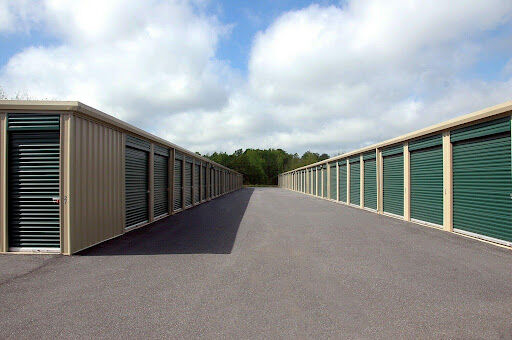
Not all storage units offer 24/7 access, so choosing one that fits your schedule is essential. If you need regular access to your belongings, find a facility that provides extended or round-the-clock hours. However, if you only plan to access your items occasionally, a limited-hours facility may be acceptable and even more affordable. Also, the ease of access within the facility itself should be considered. Is the unit on the ground floor, or will you need to use stairs or an elevator to reach it? Some storage units provide drive-up access, allowing you to load your items directly from your vehicle, which can be particularly helpful for heavy or bulky items.
Factor in Cost and Payment Options
The cost of renting a storage unit will vary depending on several factors, such as the size, location, and additional features, such as climate control. When comparing prices, make sure you understand what's included in the cost and whether there are any hidden fees. Some facilities offer promotions for new renters, so it's worth shopping around to find the best deal. Before committing, ask about payment options. Does the facility require a long-term contract, or do they offer month-to-month rentals? Flexible payment plans can also be a deciding factor, especially if you're unsure how long you'll need the unit.
Read Reviews and Check the Reputation
A good reputation is critical when choosing a storage provider. Review customer reviews and ask for recommendations from friends or family members who have used storage services. Online reviews can give insight into the facility's customer service, cleanliness, and security. If you see recurring complaints about things like break-ins, poor maintenance, or hidden fees, it may be a red flag to look elsewhere. Conversely, consistently positive feedback can provide confidence that you're making a good choice.
Ask About Insurance Options
Many storage facilities require or recommend that you insure your stored items. Some may offer their insurance plans, while others allow you to purchase insurance through a third-party provider. Check whether your existing homeowners' or renters' insurance covers items stored off-site; adding coverage is a good idea. Storage insurance protects your belongings against theft, fire, water damage, and other unexpected events. The cost is typically low and can save you significant stress, and financial loss should anything happen to your items while in storage
Selecting the perfect storage unit can be a smooth process. By assessing your needs, prioritizing security, and considering convenience, you can find a unit that protects your belongings while providing easy access. Take the time to evaluate your options, compare prices, and ask questions to ensure your storage facility meets all your requirements. You can keep your valuables safe and enjoy peace of mind with the proper storage unit.

(0) comments
We welcome your comments
Log In
Post a comment as Guest
Keep it Clean. Please avoid obscene, vulgar, lewd, racist or sexually-oriented language.
PLEASE TURN OFF YOUR CAPS LOCK.
Don't Threaten. Threats of harming another person will not be tolerated.
Be Truthful. Don't knowingly lie about anyone or anything.
Be Nice. No racism, sexism or any sort of -ism that is degrading to another person.
Be Proactive. Use the 'Report' link on each comment to let us know of abusive posts.
Share with Us. We'd love to hear eyewitness accounts, the history behind an article.