
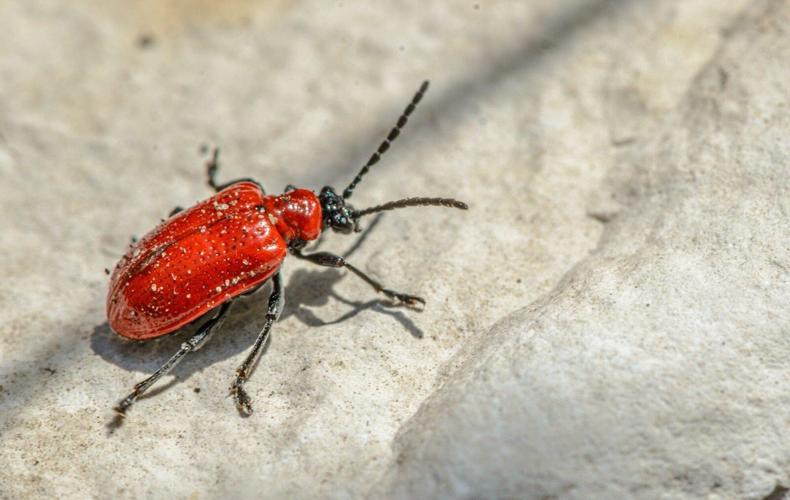

Pest infestations can be a nightmare for any homeowner or renter. Not only do they cause damage to your property, but they also pose health risks and can be difficult to get rid of. But fear not, because, with these 6 easy tips, you can prevent and deal with pest infestations in your home. From preventive measures to effective methods of elimination, read on to learn how you can intervene and take control of the situation.

Practice prevention regularly
Practicing prevention regularly is one of the most important ways to deal with pest infestations. This means taking steps to make your home less attractive and accessible to pests in the first place. Some simple measures include sealing cracks and crevices, properly storing food, and keeping a clean and clutter-free environment. Suppose you live in Phoenix and need professionals. In that case, you can choose exterminators in Phoenix or other local pest control services to regularly inspect and treat your home for any signs of infestation. Or if you’re in Long Branch, New Jersey, consider a pest control service in Long Branch, New Jersey, to help maintain a pest-free home. By being proactive and addressing any potential pest issues before they become full-blown infestations, you can save yourself the hassle and cost of dealing with pests down the line. Prevention is key in maintaining a pest-free home. So, make it a regular part of your household maintenance routine to avoid any unwanted guests.
Keep a clean and tidy home
Pests, including insects and rodents, are frequently drawn to environments where food crumbs, spills, and various forms of clutter are present, highlighting the necessity of maintaining a clean and orderly living space. To effectively minimize the chances of attracting pests, it's imperative to undertake regular cleaning tasks. This includes wiping down kitchen countertops to remove food particles and spills, sweeping or vacuuming floors to ensure no crumbs are left behind, and taking out the garbage consistently to avoid the accumulation of food waste that pests find irresistible. Further enhancing your pest prevention efforts involves the proper storage of food. By utilizing sealed containers to store food, you effectively reduce the likelihood of pests being attracted to your living spaces due to accessible food sources. Similarly, a clutter-free home is less inviting to pests. Cluttered spaces offer numerous hiding spots for pests, complicating the detection of early signs of an infestation.
Seal off entry points
Many types of pests, including rodents like mice and rats, as well as various insects, can infiltrate your home through tiny cracks or openings found in the exterior walls. Conduct a thorough inspection of your home to identify any potential access points these pests might use. Once identified, these openings can be effectively sealed off using a range of materials such as caulk for smaller gaps, wire mesh for larger openings, or weather stripping to seal gaps around doors and windows. Regularly check and repair the screens on doors and windows. These screens can become damaged over time, creating easy entry points for pests. Ensuring they are intact and in good condition is a key step in preventing pests from gaining access to your home through these avenues. By proactively making it more challenging for pests to enter your home, you significantly diminish the likelihood of facing a pest infestation. This preventative approach helps maintain the structural integrity of your home and contributes to a healthier living environment by minimizing the risks associated with pests.

Eliminate standing water
Standing water is a significant attraction for many pests, particularly mosquitoes and other insects. Regularly check your home's exterior for any areas where water may be pooling and address them promptly. This could include emptying birdbaths or stagnant pools of water, fixing leaky pipes or faucets, and ensuring that gutters are properly maintained and draining away from your home's foundation. By eliminating standing water, you are not only reducing the risk of a pest infestation but also preventing potential water damage to your property. Also, regularly inspect and maintain any outdoor structures such as sheds or decks, as these can also be harboring areas for standing water.
Use natural pest control methods
Many commercial pest control products contain harsh chemicals that can be harmful to both humans and pets. Using natural pest control methods not only avoids these potential health risks but also promotes a more environmentally friendly approach to dealing with pests. Some effective natural options include using diatomaceous earth, essential oils like peppermint or eucalyptus, and vinegar solutions to repel insects. You can also introduce natural predators into your outdoor space, such as ladybugs or praying mantises, to reduce pest populations. Keeping plants like mint or lavender around your home can act as a natural deterrent for pests. Choosing natural pest control methods safeguards your health and the environment and fosters a sustainable strategy for handling pest infestations.
Keep outdoor areas clean
In addition to maintaining a clean and organized home, it is equally important to keep your outdoor areas clean as well. Pests are not only attracted to the inside of your home but can also find their way into your yard or garden. Keeping outdoor areas clean includes regularly mowing and trimming vegetation, removing any debris or clutter, and properly storing firewood away from your home. Make sure to also clean up any fallen fruits or vegetables from your garden, as these can attract pests. Regularly inspect and maintain outdoor structures like sheds or decks for signs of pest activity, and address any issues promptly. By maintaining a clean and tidy exterior space, you are minimizing potential hiding places and food sources for pests, making it less likely for them to infest your home. This proactive approach also contributes to the overall appearance and curb appeal of your property, making it a more enjoyable space for you and your family to spend time in.
Dealing with pest infestations can be a challenging issue, but by adhering to these 6 comprehensive tips, you can proactively prevent and address pest issues effectively. These strategies are designed not only to tackle existing problems but also to prevent future invasions, ensuring your living space remains pest-free. Whether it's sealing entry points, maintaining cleanliness, or using natural deterrents, these tips cover a holistic approach to pest management. By implementing these measures, you can take firm control of pest problems and safeguard your home against unwanted invaders. Embrace these practices for a healthier, pest-proof living environment. Happy pest-proofing!


(0) comments
We welcome your comments
Log In
Post a comment as Guest
Keep it Clean. Please avoid obscene, vulgar, lewd, racist or sexually-oriented language.
PLEASE TURN OFF YOUR CAPS LOCK.
Don't Threaten. Threats of harming another person will not be tolerated.
Be Truthful. Don't knowingly lie about anyone or anything.
Be Nice. No racism, sexism or any sort of -ism that is degrading to another person.
Be Proactive. Use the 'Report' link on each comment to let us know of abusive posts.
Share with Us. We'd love to hear eyewitness accounts, the history behind an article.