


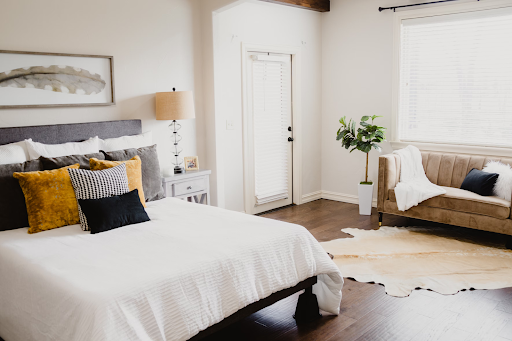
Transforming our bedrooms into a green oasis isn't just about mixing and matching colors; it's about embracing sustainability and making choices that benefit us and the planet. It's a journey towards creating a space that reflects a commitment to the environment, all while ensuring a serene and harmonious retreat from the world.
Transforming our sanctuaries into green bedrooms means embracing sustainability in every choice, from eco-friendly materials to energy-efficient lighting. It's about crafting a serene, balanced decor that benefits us and the planet, showcasing a commitment to environmental stewardship.
Let's learn how to create a sustainable and green bedroom with our comprehensive guide, where every choice reflects a step towards a greener, more balanced living space.
Idea #1: Sustainable Material Choices

As someone who has dedicated his life to marrying the beauty of traditional craftsmanship with sustainability principles, I've learned that the choices we make in materials are not just about aesthetics; they're about legacy. Every piece of furniture, every swath of fabric in our bedrooms, carries an environmental footprint, a history, and a future.
Organic Raw Materials: Opting for organic cotton or bamboo for our bedding and window treatments isn't just a nod to eco-friendliness; it's a commitment to sleeping in harmony with nature. These materials, grown without harmful pesticides and processed without toxic chemicals, offer palpable purity, enhancing the tranquility of our sanctuaries.
Sustainable Wood: Not just any wood, but that which speaks the language of sustainability—reclaimed wood, responsibly harvested timber and bamboo.
Low-VOC Paints: Low-VOC (Volatile Organic Compounds) options for paints have become a cornerstone of my recommendations for a healthy, green bedroom. They ensure the air we breathe is as clean and pure as the environment we strive to protect.
Idea #2: Eco-Friendly Bedding Options

Stepping into the world of eco-friendly bedding options is more than exploring comfort; it's a journey towards sustainability and well-being.
Organic Bedding: Choosing organic materials for your bedding is akin to selecting the purest ingredients for your meals. Organic cotton, for example, is grown without toxic pesticides and synthetic fertilizers, making it a champion for environmental health and your skin's well-being. Then there's bamboo – a material that's soft to the touch but incredibly renewable, proliferating without needing much water or chemical aids.
Low-Impact Manufacturing: Beyond the raw materials, manufacturing is pivotal in defining eco-friendly bedding. It's here that water consumption, energy usage, and chemical treatments come into play. Opting for brands prioritizing low-impact manufacturing processes means supporting an industry conscious of its footprint. It's a choice that echoes the Amish Furniture Factory's ethos, where every step in creating a piece matters, from sourcing to finishing.
Natural Fibers: Made from the flax plant, Linen offers breathability and durability that synthetics can't match. It's a fabric that becomes softer with each wash, inviting you to a restful sleep in a bed that feels like a gentle embrace. Wool, too, has its place in eco-friendly bedding, with its natural temperature-regulating properties providing warmth in winter and breathability in summer.
Idea #3: Low-VOC Paints and Finishes

In our sanctuaries of rest, the very essence of our bedrooms—the walls, furniture, and even window trims—can be compromised by the silent whispers of volatile organic compounds (VOCs) emitted by traditional paints and finishes. It's an invisible yet tangible concern affecting our well-being and cherished environment.
The shift toward low-VOC options marks a pivotal turn in our journey, marrying the principles of health and sustainability in the intimate spaces we inhabit. These alternatives not only promise a reduction in harmful emissions but also offer a spectrum of aesthetic choices, ensuring our commitment to eco-conscious living doesn't compromise our style.
At the heart of the Amish Furniture Factory, our embrace of Low-VOC paints and finishes stands as a symbol of our dedication to crafting pieces that are as kind to the planet as they are enduring in their beauty and functionality.
This choice is more than an environmental statement; it reflects our holistic approach to craftsmanship, where every detail is a step toward a healthier, more sustainable world.
Idea #4: Energy-Efficient Lighting
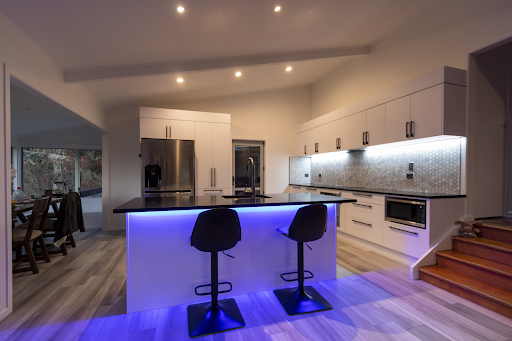
Energy-efficient lighting is vital to creating a greener future, casting our commitment to craftsmanship and sustainability in the best possible light.
Switch to LED Lighting
Switching to energy-efficient lighting isn't just about reducing our energy bills (though that's a welcome benefit). It's about crafting spaces that are kind to our planet, reducing our carbon footprint one bulb at a time.
LED lighting stands at the forefront of this vision with its remarkable efficiency and longevity. Unlike traditional incandescent bulbs, LEDs use a fraction of the energy to produce the same amount of light, and they last years longer, reducing waste and the demand for resources.
The Warmth of LEDs
Can the soft warmth of traditional lighting still be achieved with LEDs? Absolutely. The technology has evolved to offer a spectrum of colors and temperatures, from the crisp brightness of daylight to the gentle amber of evening.
In the bedrooms I design, I select LEDs that mimic the natural warmth of sunlight, enhancing the room's ambiance while remaining eco-friendly. This choice ensures our most personal spaces feel cozy and inviting without compromising our environmental values.
LED Smart Lighting
The integration of smart lighting systems takes energy efficiency to a new level. These systems allow for unparalleled control over the lighting in our homes, enabling us to adjust brightness, set schedules, and even change colors with the touch of a button or the sound of our voice.
This adds an essential layer of convenience and customization and ensures that we use only the light when needed, further conserving energy.
Idea #5: Indoor Plants

Indoor plants not only add visual harmony to the bedroom but also play a crucial role in purifying the air we breathe.
Air-Purifying Plants
Certain plants stand out for their exceptional air-cleaning abilities among the myriad options. The Snake Plant, for instance, is a stalwart ally, requiring minimal light and care while efficiently removing toxins and emitting oxygen at night.
Then there's the Spider Plant, a resilient and easy-to-care-for companion that excels at scrubbing the air of common household pollutants.
Aesthetic Plants
These plants bring a piece of the outside world into our most private spaces, creating a natural sanctuary where we can retreat and rejuvenate. They remind us of the cycles of nature, growth, and renewal, reflecting the cycles of our own lives.
The Peace Lily, with its graceful white blooms, not only cleanses the air but also adds a tranquil beauty to any room, thriving in the low light and cooler temperatures of indoor environments.
Idea #6: Natural Flooring Solutions

Incorporating natural flooring into your bedroom design elevates the space and connects you more deeply with the natural world. It's a choice that celebrates traditional craftsmanship and our commitment to a sustainable future, laying the groundwork for a peaceful, eco-friendly sanctuary where you can unwind and rejuvenate.
Wood
Wooden flooring, when sourced sustainably, offers a warmth and timelessness unmatched by any other material. Reclaimed wood tells a story with every plank, bringing a piece of history and character into your bedroom. It's not just about the aesthetic appeal; it's a choice that reduces waste and supports sustainable forestry practices.
Bamboo is another excellent option. As one of the fastest-growing plants on earth, it's a highly renewable resource that lends durability and elegance to any space.
Cork
Harvested from the bark of oak trees without harming the tree itself, cork floors provide a soft, cushioned surface perfect for the intimate setting of a bedroom. Its natural insulating properties help regulate indoor temperatures, creating a cozy haven year-round.
Beyond its environmental credentials, cork's unique texture and patterns add a distinctive flair to bedroom designs.
Stone
While not as common in bedrooms, natural stone flooring can offer a superb, serene foundation for a room inspired by the elements. Slate, marble, and travertine, sourced from environmentally responsible quarries, bring the outside in, grounding the space with their earthy hues and textures.
Paired with radiant heating, stone floors can be wonderfully warm underfoot, challenging the myth that they're only suitable for cooler climates.
Idea #7: Upcycled Furniture and Decor

I've always held a special place in my heart for upcycled furniture and decor. The very essence of upcycling speaks to the core values we cherish - ingenuity, respect for materials, and a commitment to reducing waste.
A New Life for Old Treasures
Upcycling isn't just about saving items from the landfill; it's a creative process that breathes new life into old treasures. I've wandered through countless flea markets and antique shops, each time marveling at the stories embedded in the weathered woods and faded fabrics.
With a bit of imagination and craftsmanship, these pieces can become the focal points of a bedroom, each with its history and soul. A vintage trunk repurposed as a bedside table or an old door turned into a headboard can add interest and warmth to your sanctuary.
Personal Touches That Tell a Story
One of the beauties of upcycled furniture and decor is the personal touch they bring to a space. In the hands of a skilled craftsman, what was once discarded finds new purpose and beauty.
I remember a project where we transformed a set of old, mismatched dining chairs into a cohesive set, each painted in soft, pastel hues and reupholstered with organic fabric. Placed in a bedroom, they created a quaint seating area that was visually appealing and a conversation starter.
The Sustainability Aspect
In today's world, where sustainability has become increasingly crucial, upcycled furniture and decor stand out as eco-friendly choices. By repurposing existing items, we reduce the demand for new materials and decrease our carbon footprint.
It's a practice that aligns perfectly with our philosophy at the Amish Furniture Factory, where principles of durability, beauty, and environmental responsibility guide every piece we create.
A Canvas for Creativity
Upcycling is, at its heart, a canvas for creativity. It challenges us to see beyond the surface, to envision what could be rather than what is.
The possibilities are endless, whether it's turning old wooden crates into shelving or fashioning a lamp from an antique camera. These projects not only enhance the aesthetic of a bedroom but also imbue it with a sense of accomplishment and individuality.
Idea #8: Minimalist Design Principles
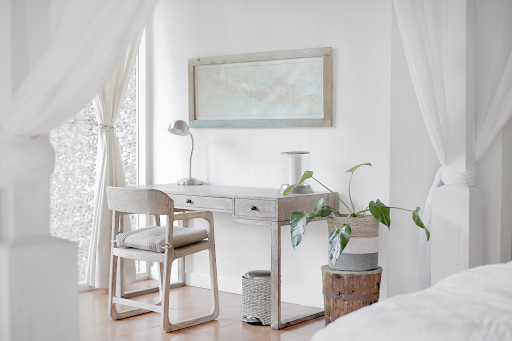
Minimalist design is not merely an aesthetic choice; it's a deliberate embrace of functionality, clarity, and an uncluttered existence that resonates deeply with our craftsmanship and mindful living ethos.
Simplicity as the Ultimate Sophistication
At the heart of minimalist design lies the principle of simplicity. Switching to minimalism starts from stripping away the unnecessary, leaving what is essential.
In a bedroom, this could mean choosing authentic Amish bed furniture that speaks volumes with its clean lines and natural wood finish or opting for built-in shelving that blends seamlessly with the walls.
Functionality Over Form
Every piece in a minimalist bedroom serves a purpose, eliminating the decorative excess that often clutters our spaces and minds.
This focus on functionality aligns with our principles at our Amish Furniture shop, where each creation is a piece of art and a functional entity designed to enhance your living space. It's about creating environments where every element has its place and purpose, fostering a sense of order and calm.
Harmony with Nature
The minimalist design also encourages a closer connection with the natural world. By incorporating elements like natural light, organic materials, and neutral color palettes, we invite the tranquility of nature into our bedrooms.
This harmonious blend creates a more soothing ambiance. It underscores our commitment to using materials that are kind to the earth. It reminds us of the beauty of simplicity and the natural world around us.
Mindfulness and Intentionality
The most profound aspect of minimalist design is the mindfulness it promotes. This approach encourages us to be intentional about what we bring into our spaces, choosing items that align with our values and enhance our well-being.
It's a practice that extends beyond design into how we live our lives, fostering an awareness of the impact of our choices and the importance of living in harmony with our environment.
Idea #9: Eco-Conscious Brands and Artisans

The brands and artisans we choose to support can significantly influence both the environment and the authenticity of our living spaces.
The Heart Behind the Craft
Purchasing from eco-conscious brands and local artisans is more than a transaction; it's an investment in a philosophy. These creators put their hearts into their work, ensuring that every piece is made with respect for the environment.
Like our Amish artisans, they use sustainable materials, minimize waste, and often employ traditional methods passed down through generations. By supporting them, we're not just buying furniture or decor; we're becoming part of a story that values preservation over mindless consumption.
A Personal Connection
In a world dominated by mass production, owning a piece crafted with intention is unique. I've met artisans who can tell you where the material for a piece came from, not the forest, but the very tree.
This connection to the source adds an irreplaceable depth and soul to our homes. It reminds us that behind every item, there's a pair of hands, a community, and a piece of the earth itself.
Sustainability at Its Core
Eco-conscious brands and artisans are pioneers in sustainability, continuously looking for ways to reduce their environmental impact. Whether through recycling materials, employing energy-efficient methods, or sourcing locally to reduce carbon footprints, their dedication is evident in every process step.
By supporting these entities, we're making a statement about the world we want to live in—where sustainable practices are appreciated and envisioned.
Creating a Ripple Effect
Every time we invest in an eco-conscious brand or artisan, we're not just making a personal choice but influencing the market. Demand drives production, and by showing a preference for sustainable, ethically made goods, we can help shift industry standards.
It's a powerful way to contribute to a more significant environmental stewardship and social responsibility movement.
Idea #10: DIY Eco-Friendly Decor Projects

DIY eco-friendly decor projects personalize and imbue a space with a more profound sense of connection to the earth. Here are some ideas and insights into bringing this eco-friendly creativity to life in your bedroom.
Homemade Natural Fabric Dyes
In an era where synthetic dyes dominate, turning to natural sources for color is both an art and a commitment to the environment. You can transform plain organic cotton or linen fabrics into custom, eco-friendly bedding or curtains using ingredients like turmeric for yellows, beetroot for reds, or indigo for blues.
This project allows for a creative outlet and ensures that the materials in your bedroom are free from harmful chemicals.
Upcycled Bottle Lamp
An empty bottle doesn't have to end in recycling. With ingenuity, it can begin anew as a bespoke lamp. Whether it's a glass bottle with a personal story or a found object with a unique charm, converting it into a lamp base is a simple project with profound results.
Paired with an LED bulb, it is a testament to the beauty of upcycling, and the warmth sustainable practices can bring to our homes.
Plant Hangers from Recycled Materials
Indoor plants are a cornerstone of eco-friendly decor, and their presence in the bedroom can purify the air and lift the spirit. Creating plant hangers from recycled materials like old t-shirts or ropes adds another layer of sustainability.
This project not only gives purpose to materials that might otherwise be discarded but also elevates the greenery in your space, literally and figuratively.
Crafting a Greener Tomorrow Starting from Our Bedrooms
Each choice—from the whisper of bamboo flooring beneath our feet to the soft glow of LED lighting—embodies a more profound commitment to our sanctuaries and the planet. These choices are reflections of a philosophy that intertwines sustainability with beauty, proving that our most intimate spaces can also be the most eco-conscious.
Each piece we select, each project we undertake, is a step towards a future where our homes are not only havens of comfort but also bastions of environmental stewardship. Let's continue to make mindful choices, embracing the beauty of sustainability and the power of tradition as we build a world that cherishes the past while nurturing the future.

(0) comments
We welcome your comments
Log In
Post a comment as Guest
Keep it Clean. Please avoid obscene, vulgar, lewd, racist or sexually-oriented language.
PLEASE TURN OFF YOUR CAPS LOCK.
Don't Threaten. Threats of harming another person will not be tolerated.
Be Truthful. Don't knowingly lie about anyone or anything.
Be Nice. No racism, sexism or any sort of -ism that is degrading to another person.
Be Proactive. Use the 'Report' link on each comment to let us know of abusive posts.
Share with Us. We'd love to hear eyewitness accounts, the history behind an article.