
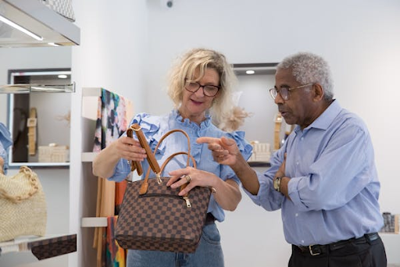

Devaluation of currency is another site occurrence when a specific currency decreases in value as compared to the rest.
That seems to be an economist problem, isn’t it?
But it has adverse consequences in many industries including luxury collectibles.
Jewelry and expensive wines are considered to be the best bet and possessors of rare watches, old cars and paintings feel secure during crises.
What is Currency Devaluation?
To clear out confusion Thank you, let me define, what is meant by currency devaluation.
If a currency has been devalued it simply means that it has a lower purchasing power as compared to before.
The authorities of a given country may decide to devalue a country’s currency as a way of increasing the export quota by making the exported goods cheaper.
Or currency devaluation can be on account of inflation or by default owing to the volatility of an economy.
To average citizens, it implies that the cost of imported products rises thus escalating the general standard of living.
Why Luxury Collectibles Rise in Demand
Currency devaluation makes luxury items more attractive for several reasons:
Perceived Value Stability: Luxury collectibles are seen as holding their value better than cash. When a currency weakens, the purchasing power decreases, but valuable assets like a Rolex watch or a classic car might appreciate in value. Buyers see them as a safer investment.
Diversification: When the value of money falls, investors look to diversify their portfolios. Collectibles offer a physical way to do that. Instead of holding cash, investors put their money into assets that have intrinsic value.
Global Appeal: The value of luxury collectibles is tied to global trends not just local economies. A devalued currency might make imports more expensive, but the price of these luxury items can stay stable or even go up on the international market, making them attractive to both domestic and foreign buyers.
Scarcity: Many luxury items are rare, especially high end watches, vintage cars and fine art. This scarcity makes them valuable and when people lose confidence in the currency, the rarity factor becomes even more attractive.
Wealth Preservation: When people see their currency devalue, they look to preserve wealth. Luxury collectibles, especially rare or historical items can be passed down and retain value over time, so it’s an option for those looking to protect their assets.
Devaluation and the Luxury Collectibles Market
Devaluation has a big impact on the luxury collectibles market as economic shifts cause investors and collectors to look for physical assets that will hold value.
Much like how investors track the XAUUSD market open time Malaysia to time their gold trades, luxury collectibles are increasingly viewed as a stable investment during periods of currency devaluation.
Art and Collectibles
In the last few years the art market has seen a big price rise. According to Art Basel and UBS the global art market was $65 billion in 2019.
Much of this growth is due to investors looking for physical assets to protect their wealth.
Devaluation increases demand for art as it’s seen as a store of value that won’t lose its value like currency does.
Luxury Watches
Watches, especially from brands like Rolex, Patek Philippe and Audemars Piguet have always been sought after for their craftsmanship and rarity.
In the face of devaluation luxury watch prices have continued to rise, often above inflation.
In 2022 some Rolex models went up 20% or more, proving even in economic downturns high end watches perform well.
Vintage Cars
Vintage cars is another area where devaluation comes into play. The classic car market has blown up in the last few years, with cars like the Ferrari 250 GTO selling for over $70 million.
As currency devalues people look to diversify their assets by investing in items that hold and grow in value like rare cars.
Investing in Luxury Collectibles During Devaluation
If you’re looking to hedge against currency devaluation through luxury collectibles here are a few tips:
Do Your Homework: Know the market for the item you’re buying. Some collectibles are appreciated more than others. For example, classic cars from certain manufacturers hold their value better than others.
Look for Limited Editions: Items that are limited in supply - whether it’s a rare watch or a one off painting - are going to appreciate in value over time.
Think Long Term: Luxury collectibles are best viewed as long term investments. Short term fluctuations in the market can happen but these items generally gain value over time.
Get Expert Advice: If you’re new to collectibles consider getting advice from experts in the field. Auction houses, galleries and collectors can give you insights on what to invest in.
Devaluation of currency may seem like an economic issue that only affects banks and governments but it has a big impact on the luxury collectibles world.
As the value of money goes down luxury goods become more attractive to investors and collectors.
Items like fine art, rare watches and vintage cars are a store of value and their appeal grows in uncertain times.
If you want to protect your wealth and invest in something that holds value luxury collectibles is an interesting option.
(0) comments
We welcome your comments
Log In
Post a comment as Guest
Keep it Clean. Please avoid obscene, vulgar, lewd, racist or sexually-oriented language.
PLEASE TURN OFF YOUR CAPS LOCK.
Don't Threaten. Threats of harming another person will not be tolerated.
Be Truthful. Don't knowingly lie about anyone or anything.
Be Nice. No racism, sexism or any sort of -ism that is degrading to another person.
Be Proactive. Use the 'Report' link on each comment to let us know of abusive posts.
Share with Us. We'd love to hear eyewitness accounts, the history behind an article.