
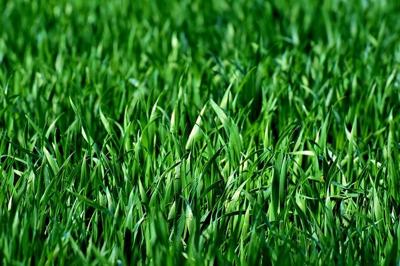

If your lawn is beautiful, your house will look even more attractive, which, in turn, makes it a healthy environment to live in. Makes sense, right? A beautiful lawn keeps your house green, protects you from dust, and can serve as an open space for fresh air or a place where your family can gather and spend time together.
This is why everyone focuses on having a pretty lawn. But a lawn will not get beautiful by itself and grow lots of grass. You need to prepare your soil thoroughly and do plenty of other things.
Here is a guide on how to ready your soil and plant grass seeds-
1. Prepare Your Soil
The first thing you need to do before you even think of planting grass seeds is to prepare your soil and create a healthy environment for the seeds to grow. While preparing, you must keep a few things in mind-
Know Your Soil Type
Unlike artificial grass which requires very little maintenance, real grass needs specialist care. To develop, real grass has to be planted in soil having enough nutrition criteria and suitable natural conditions. You must know what type of soil you have at hand. Not all soils have the same effect on your seedlings, and this can affect their growth. There are various types of soil, such as clay, sand, silt, and chalky.
You must know what type of soil you have at hand. Not all soils have the same effect on your seedlings, and this can affect their growth. There are various types of soil, such as clay, sand, silt, and chalky.
Each soil has its own characteristics. Sandy soil has more grit and is dry, clay soils are heavy, silts are really fertile and can hold moisture, and chalky soils are highly alkaline.
If you are wondering how to plant grass seed on hard dirt, then it is not so much different from what we are going to talk about, except it requires more care in softening the solid.
For different soils, you need to have different approaches.
Measure The pH
pH greatly affects your seed growth and must be measured before the plantation. There are several ways by which you can measure the pH of your soil such as-
Use A pH Meter
The easiest way to measure pH is with the help of a pH meter. You just insert the device into the soil, and it will give you a reading about the pH level of the soil.
DIY Method
You can also measure the pH with vinegar and baking soda that you have in your kitchen. Take two cups and put your soil sample in them. Add vinegar in one cup and baking soda in the other.
If it reacts to vinegar, then your soil is highly alkaline, and if it reacts to baking soda, then the soil is acidic.
After you know the pH level, work on neutralizing the soil as grasses prefer a neutral pH level (pH 7).
So if the soil is acidic, use either lime or wood ash to neutralize the acidic nature. If it is alkaline soil, then add sulfur or organic matters, which, by the help of some bacteria, create acids to neutralize the soil’s pH.
Clear Surrounding Debris
Debris that is in your soil can be quite harmful. Plastic or metal debris can hinder the root growth of your seeds and can also prevent nutrition from reaching the seeds. So remove all debris from the soil and make it as fresh as possible.
Use a rake to properly rinse through the soil and remove all the debris.
Choose The Right Nutrients and Fertilizers
As we have mentioned before, different soils have unique characteristics and have different levels of nutrients in them. So, by finding out what soil you have, you need to add nutrients and fertilizers, such as composts or fertilizers to increase the nutrition level of your soil.
Level Your Soil
One thing you must keep in mind is that your soil must be leveled; there should not be any bumps, holes, thatches, or loose soils.
To keep the soil level at all times, mow the soil regularly and remove all the thatch. Use tools to level the ground firmly so that the soil does not look like the surface of the moon.
Wait For A Week
Now that everything is done, you must wait for one week for everything to settle down. Let the nutrients reach deep inside the soil. Let the roots of the grass reach down. Meanwhile, some helpful bacteria will grow and the soil will fall in place.
2. Equipment Required
You obviously cannot ready the entire soil with your bare hands. You need some tools for that. In the previous point, we have mentioned a few tools like a rake and pH meter. But to properly ready your soil, you need a few more tools.
You will need a shovel to dig small holes to plant the seeds. You also need a rotary tiller to break the topsoil to make sure that nutrients can reach all parts of the soil.
3. Install A Sprinkler System
Ensuring a healthy water supply for your plants is also a must. Normally, most people use jerry cans or other pots to water the grass, but this can result in a lot of errors.
Some parts might get more while others get very little. To ensure this does not happen, build a sprinkler system by digging up a 6-8 inch hole and installing a valve to the main supply line.
Then use pipes to connect the sprinklers to the valve. Be sure to place the sprinklers carefully, so they can reach all parts of your yard.
4. Monitor Regularly
After all the hard work, it is now time to sit back and analyze. You must now monitor the soil regularly till the perfect plantation period comes.
During this monitoring phase, you must ensure that the soil does not get damaged. Keep in mind that the more you focus on preparing good soil, the better your grass can grow.
Check again to see whether the pH level is stable or not. Also, check if any harmful insects or bacteria are growing.
Final Thoughts
Now, everything is ready; l your soil is prepared and ready to welcome seeds. Some extra information you might need includes plantation period and regional seeds as not all plants grow on all types of soil all the time. You could also get advice from some experts and how they have created a gorgeous lawn.
Follow this guide thoroughly, and you will have a beautiful green lawn which naturally will give you peace and a feeling of bliss.


(0) comments
We welcome your comments
Log In
Post a comment as Guest
Keep it Clean. Please avoid obscene, vulgar, lewd, racist or sexually-oriented language.
PLEASE TURN OFF YOUR CAPS LOCK.
Don't Threaten. Threats of harming another person will not be tolerated.
Be Truthful. Don't knowingly lie about anyone or anything.
Be Nice. No racism, sexism or any sort of -ism that is degrading to another person.
Be Proactive. Use the 'Report' link on each comment to let us know of abusive posts.
Share with Us. We'd love to hear eyewitness accounts, the history behind an article.