

American homeowners are willing to splurge on high-end homes, but the price tags are huge. A Realtor.com analysis of the luxury market shows that an entry-level luxury property in the US costs $1.3 million in 2024. Surprisingly, this hefty seven-figure amount signifies the lowest threshold of the top 10% of the most expensive listings in the US. The amount is almost three times the median list price, which is approximately $430,000.
The number is beyond reach for a majority of potential buyers, but existing homeowners can choose a smart alternative. Why not opt for luxury upgrades that make your home look like a celeb-style space? When investing in such upgrades, you must remember that true luxury today isn’t just about aesthetics. Resilience, comfort, and long-term value are equally important.
This is possible with upgrades that blend sophistication with durability, energy efficiency, and smart functionality. In this article, we will list improvements that can elevate daily living while protecting your home against unexpected disruptions.
Make the Home More Energy-Efficient
According to an Axios analysis of data provided by climate newsroom Heatmap News, the average estimated spending on home electric bills in the US was $158/month in 2025. Nantucket County, Massachusetts, has the highest spending of $296/month, while San Francisco County, California, records $282/month. Nobles County, Minnesota, comes third, with $273 as the average monthly electric bill.
Considering these numbers, energy efficiency emerges as the backbone of a resilient, comfortable home. Start with the building envelope. Good insulation, airtight sealing, and high-performance windows reduce heat loss and keep interiors stable year-round. Triple-pane, low-e glass maintains clean sightlines while controlling heat transfer and sound.
Right-size HVAC systems with variable-speed or geothermal options can create even temperatures. Pair these with smart thermostats and zoning to fine-tune comfort without waste. Reflective metal roofing can trim cooling costs and elevate curb appeal for a luxury look for your exterior space.
Upgrade Lighting for Ambiance and Comfort
When it comes to upgrades that ensure resilience, lighting can be more than an aesthetic choice. A strategic lighting upgrade layers ambient, task, and accent lighting with emergency backup, circadian tuning, and natural daylighting. This approach will keep homes functional and safe, even during outages.
For example, you can install LED fixtures with battery backups in hallways and exits. Lighting fixtures can be aligned with circadian rhythms with smart systems that shift color temperature throughout the day. Maximize natural light through strategic windows, skylights, and reflective surfaces for passive resilience.
Also, opt for durable, low-maintenance fixtures with marine-grade finishes and standard bulb bases. These choices ensure longevity and easy replacement. Smart lighting controls help with scheduling, occupancy sensing, and scene-based automation for flexibility and efficiency.
Rethink High-Use Spaces
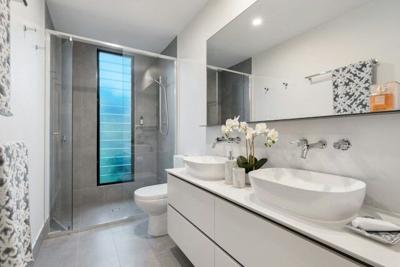
Kitchens and bathrooms are high-use spaces that witness the most daily traffic. When you think about upgrading these areas, durability and ease of maintenance should be top priorities. In bathrooms, moisture and ventilation are the main concerns, so upgrades should address them.
Suppose you are a Kansas City homeowner. The city experienced one of the wettest springs on record in 2026. April was the fourth-wettest on record, while May ranked 23rd in history. When planning bathroom remodeling in Kansas City, the right material choices are essential to ensure durability and resilience.
Four Seasons Home Products recommends multi-layer acrylic for bathtubs, showers, or walk-in tubs. Porcelain tile remains the 2026 gold standard for wet zones due to its density and low water absorption. Improved ventilation and water-efficient fixtures combine luxury with resilience, while minimalist storage reduces visual clutter.
In kitchens, prioritize scratch-resistant countertops. Quartzite countertops offer more durability than marble and better heat resistance than quartz. Soft-close cabinetry and energy-efficient appliances can streamline daily routines.
Create Better Weather and Water Protection
Better Home & Gardens highlights that home hardening is a popular trend among homeowners looking to fortify their properties. It involves upgrades that offer protection against climate and weather disasters.
Peter Piotrowski, chief claims officer at Hippo Insurance, notes, “The best weather-resistant home hardening upgrades depend on several factors, including your home’s materials, location, and local weather risks.”
Resilient homes anticipate moisture, storms, and wear. Install leak-detection systems with automatic shutoff valves to prevent costly water damage. Whole-house smart valves installed on the main water line monitor flow patterns continuously, shutting off automatically after abnormal flow.
Improve drainage around foundations and use moisture-resistant materials in basements and crawl spaces. Upgrade to stronger roofing assemblies for wind protection. Those in humid climates should choose antimicrobial grout, marine-grade hardware, and impact-resistant glass. Proper attic ventilation can help control heat and moisture buildup.
Integrate Nature and Biophilic Elements
Beyond the physical resilience of your home, upgrades should also focus on how it improves the quality of life of the residents. According to an NIH study, biophilic design incorporates nature-based features into external and internal built environments. Overall, this design mindset aims to promote the health and well-being of a building’s occupants.
Large windows, skylights, and glass doors blur boundaries between indoors and outdoors. Indoor plants improve air quality and add visual softness to modern interiors. Natural materials like wood, stone, and cork introduce texture and warmth while supporting sustainable sourcing. Living walls or green roofs provide insulation, stormwater management, and urban heat reduction.
For luxury outdoor spaces, you can consider courtyard gardens, water features, or rooftop terraces that create private outdoor sanctuaries. Strategic landscaping with native plants reduces irrigation needs and supports local ecosystems. Permeable paving and rain gardens manage runoff while adding aesthetic value.
FAQs
What should homeowners prioritize when planning resilient home renovation?
Homeowners should prioritize energy-efficient systems like insulation and smart thermostats, durable materials such as porcelain tile and quartzite, improved water protection with leak detectors and drainage, smart-home technology for automation and monitoring, and thoughtful upgrades to high-use spaces like kitchens and bathrooms.
Is bathroom renovation a practical home upgrade?
Yes. A well-planned bathroom remodel improves aesthetics, functionality, daily comfort, better ventilation, and mold prevention. Bathroom trends in 2026 emphasize spa-like wellness, waterproofing, and timeless materials that combine luxury with resilience for lasting appeal.
Which smart home upgrades are worth considering?
Smart thermostats, leak detectors with automatic shutoff, and automated lighting and shades make your home comfortable and eco-friendly. Security systems with hidden sensors and whole-home monitoring deliver practical benefits related to safety. Circadian lighting can enhance wellness and flexibility without technical clutter.
Luxury and Resilience: Key Statistics
Home Upgrade / Market Data | Key Figure | Why It Matters |
|---|---|---|
Entry-level luxury home price, U.S. (2024) | $1.3 million | Shows the high cost of entering the luxury market |
Median U.S. list price | ~$430,000 | Highlights the gap between luxury homes and typical properties |
Average U.S. monthly electric bill (2025) | $158 | Makes energy-efficient upgrades more attractive |
Highest average electric bill – Nantucket County | $296/month | Shows how energy costs can vary significantly |
San Francisco County average electric bill | $282/month | Reinforces the value of energy efficiency |
Nobles County, Minnesota average electric bill | $273/month | Another example of elevated household energy costs |
Kansas City wettest spring | 2026 | Illustrates why moisture-resistant home upgrades matter |
Resilient luxury isn't about excess. Rather, it's about intelligent upgrades that protect, comfort, and endure. By prioritizing these practical upgrades, homeowners can build spaces that are not only beautiful but also prepared for unexpected challenges. Together, they are capable of delivering lasting value and peace of mind for years to come. Moreover, they improve the quality of your life beyond imagination.


(0) comments
We welcome your comments
Log In
Post a comment as Guest
Keep it Clean. Please avoid obscene, vulgar, lewd, racist or sexually-oriented language.
PLEASE TURN OFF YOUR CAPS LOCK.
Don't Threaten. Threats of harming another person will not be tolerated.
Be Truthful. Don't knowingly lie about anyone or anything.
Be Nice. No racism, sexism or any sort of -ism that is degrading to another person.
Be Proactive. Use the 'Report' link on each comment to let us know of abusive posts.
Share with Us. We'd love to hear eyewitness accounts, the history behind an article.