
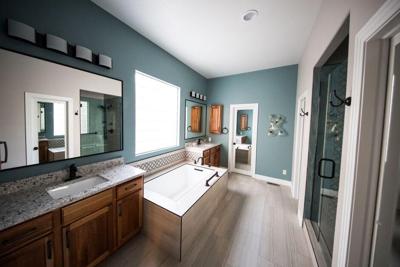

Bathrooms ask a lot from a relatively small amount of space. They have to handle water, humidity, storage, lighting, privacy, and busy morning routines while somehow remaining comfortable and easy to maintain. That is why a successful remodel usually starts long before anyone chooses tile.
Those considerations are particularly relevant in Virginia Beach, where humid conditions can make moisture management an important part of bathroom planning. Annual average relative humidity is around 74%, so ventilation, moisture-resistant materials, and careful installation deserve just as much attention as finishes. A thoughtful remodel should improve how the room handles everyday life, not simply give it a newer appearance.
Start With What Isn't Working
Before deciding what the new bathroom should look like, spend some time noticing what bothers you about the current one.
Maybe there is never enough counter space. Perhaps the shower feels cramped, the lighting leaves half your face in shadow, or towels have nowhere sensible to go. Storage might technically exist while somehow being useless for the things you actually own.
Those frustrations should shape the remodel.
Think about who uses the room, when it becomes busiest, what needs to remain within easy reach, and which parts are hardest to clean. A bathroom designed around those habits will generally age better than one designed around an inspiration photo.
Style matters, but function is what you will encounter every morning.
Let the Remodel Solve the Right Problems
Not every bathroom needs to be stripped back to the studs.
If the existing layout works and the plumbing, ventilation, and surfaces are in good condition, targeted changes may provide most of the improvement you want. New lighting, a better vanity, updated fixtures, fresh finishes, or additional storage can transform a room without completely rebuilding it.
More extensive work makes sense when the problems themselves are more extensive.
If you're considering Virginia Beach bathroom remodeling, discuss how the existing bathroom will be evaluated before settling on the scope. Moisture conditions, ventilation, shower or tub areas, plumbing, storage needs, and the current layout can all influence whether a focused update or a larger renovation makes more sense.
The goal should be to fix what is holding the room back rather than automatically replacing everything in sight.
Give the Budget Somewhere to Bend
Bathroom remodeling budgets have an inconvenient habit of meeting things that were not visible during planning.
Removing an old shower or opening a wall can reveal damaged subflooring, aging plumbing, inadequate wiring, or evidence of previous moisture problems. Suddenly, money intended for decorative finishes has a much less glamorous job.
Build some flexibility into the budget from the beginning.
It can also help to separate the project into essentials and preferences. Waterproofing, ventilation, safe electrical work, and necessary repairs belong firmly in the first category. A more expensive faucet finish or elaborate tile pattern may not.
This does not mean abandoning the fun parts. It simply means protecting the money needed to make sure the room underneath those beautiful finishes works properly.
Treat Moisture as a Design Issue
A bathroom can have beautiful tile and still be poorly designed if moisture has nowhere to go.
Showers and baths release significant amounts of water vapor. Without adequate ventilation, that moisture can linger on mirrors, ceilings, walls, cabinetry, and other surfaces.
That makes the exhaust fan part of the design rather than an afterthought.
Useful guidance on controlling moisture at home explains how managing humidity, ventilation, leaks, and condensation can help reduce conditions that encourage mold growth.
Waterproofing inside wet areas matters just as much. Ask how shower walls and floors will be prepared beneath the finished surface and how corners, penetrations, drains, and transitions will be protected.
The most important bathroom materials are sometimes the ones you never see again after installation.
Choose Materials for Real Mornings
Bathrooms are not gentle environments.
Surfaces encounter water, steam, cosmetics, cleaning products, dropped objects, and constant foot traffic. Material choices should reflect that reality.
Porcelain tile can be practical for wet areas, while engineered countertop materials may offer easier maintenance than some porous natural stones. Grout color and joint size can affect how demanding tiled surfaces are to keep looking clean.
Hardware and fixture finishes deserve similar thought.
Rather than asking only, “Does this look good?” ask, “What will this look like after several years of normal use?”
You can still introduce personality through tile, lighting, mirrors, hardware, or cabinetry. The trick is choosing where to be adventurous.
A bathroom should accommodate real life without making you feel guilty every time somebody leaves a water spot behind.
Think Twice Before Moving the Plumbing
Changing the layout can make an awkward bathroom dramatically better, but moving major fixtures can also increase complexity and cost.
Relocating a toilet, shower, or sink may affect supply lines, drains, venting, electrical work, walls, and flooring. If the current locations already function well, keeping them in place can leave more of the budget available for other improvements.
That does not mean you should preserve a bad layout simply because changing it costs more.
If a door collides with a fixture, shower access is uncomfortable, or the room wastes useful space, a layout change may be worthwhile.
Before moving anything, ask what problem the new arrangement solves. A clear answer makes the extra expense easier to evaluate.
Plan for the Person You'll Be Later
A remodel is a useful opportunity to think beyond today's routine.
Features that improve accessibility can often be incorporated without making a bathroom look clinical. Better lighting, slip-resistant flooring, easier shower entry, sensible clearances, and strategically positioned storage can make the room more comfortable for a wide range of users.
Some future-ready improvements are easiest to make while walls are already open.
For example, planning wall reinforcement for future grab bars can make later adaptations easier without requiring another major renovation.
You may not need those features immediately. That is precisely why planning for them during a remodel can be useful.
Future flexibility is much cheaper when it is designed in rather than retrofitted later.
Make Storage Earn Its Space
More storage is not always the answer. Better storage often is.
Deep vanity cabinets can turn into dark collections of half-forgotten toiletries. Drawers can make smaller items easier to organize and reach. Recessed medicine cabinets can add capacity without occupying floor space, while shower niches can keep bottles from accumulating along ledges.
Start with what actually needs a home.
Daily toiletries should be easy to reach. Towels need enough space. Electrical items may need storage near suitable outlets, while cleaning supplies should have a sensible place of their own.
If several people share the room, dividing storage into personal zones can prevent the countertop from becoming neutral territory in an ongoing toiletries dispute.
Let Lighting Do More Than Brighten the Room
A single ceiling fixture rarely does everything a bathroom needs.
General lighting helps illuminate the room, while task lighting around the mirror can make grooming easier. Softer lighting can create a more comfortable atmosphere when bright illumination is unnecessary.
Natural light deserves consideration too, particularly if privacy can be maintained.
Think about where shadows fall and where light is actually needed rather than simply maximizing brightness. A bathroom that is technically bright but leaves the mirror poorly illuminated has solved the wrong problem.
Lighting should support the room's different moods, from rushed weekday mornings to quieter evenings.
Choose Professionals by the Questions They Ask
A good remodeling conversation should involve more than measurements and finish samples.
Pay attention to whether the contractor asks about ventilation, waterproofing, existing damage, electrical requirements, plumbing, daily routines, and how you want the finished bathroom to function.
Ask how unexpected conditions will be handled and documented. Understand the project schedule, payment structure, warranty coverage, and process for approving changes.
A detailed scope of work can prevent misunderstandings later.
Price matters, but process matters too. The lowest estimate becomes much less attractive if important work was simply left out of it.
Build for Life After the Reveal
The best bathroom remodel is not necessarily the one that produces the most dramatic before-and-after photograph.
It is the one that keeps working after the excitement wears off.
A good bathroom should be easier to clean, more comfortable to use, better organized, properly ventilated, and suited to the people who rely on it every day. Its materials should tolerate ordinary wear, while its layout should make familiar routines simpler rather than more complicated.
Start with the problems you genuinely want to solve. Protect the budget for the work hidden behind the finishes, make moisture control a priority, and choose design features with daily life in mind.
When those decisions come first, the beautiful part has a much stronger foundation.


(0) comments
We welcome your comments
Log In
Post a comment as Guest
Keep it Clean. Please avoid obscene, vulgar, lewd, racist or sexually-oriented language.
PLEASE TURN OFF YOUR CAPS LOCK.
Don't Threaten. Threats of harming another person will not be tolerated.
Be Truthful. Don't knowingly lie about anyone or anything.
Be Nice. No racism, sexism or any sort of -ism that is degrading to another person.
Be Proactive. Use the 'Report' link on each comment to let us know of abusive posts.
Share with Us. We'd love to hear eyewitness accounts, the history behind an article.