
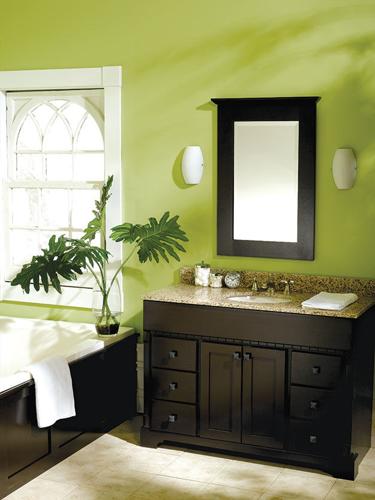
Did you know that color in an interior can account for more than 60 percent of our response to that space? Do you ever wonder why you may find one color so much more—or less—appealing than another? Why are we attracted to some colors more than others?
The affect color has on our mood is called "color psychology." The effects of color can be both subtle or significant, physical and psychological. There is no definitive equation correlating color and the way we feel, but, typically, wherever we go we respond to color. The importance of color is often underestimated. Color use is important to us personally, in both our homes and our workspaces.
Start with a Small Space
If you’re not sure where to begin with color, try a new color in a powder room or bathroom, a small hall or an accent wall. If at all possible do your own painting, pick an area that’s quick to do so you can see your results sooner, and decide if you like it or would rather change it. View the color experiment as a fun adventure.
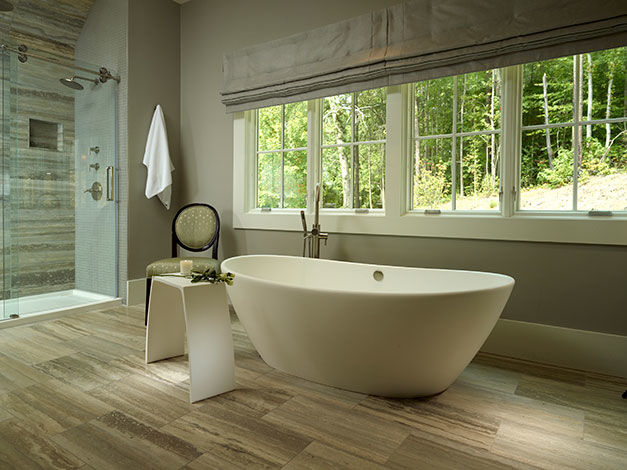
To get started, look around your space and choose a color from one of your dominate fabrics, paintings or artwork or even from the scene outside. In the past, I have chosen an entire palette for an interior space from one piece of artwork my client loved.
Consider the Mood
Do you want a dining or kitchen area to feel sociable and stimulating or appear somewhat quiet and formal? Warm, contrasting or brighter colors will add to a sociable atmosphere; whereas deeper blues, greens and neutrals will give a more formal ambiance.
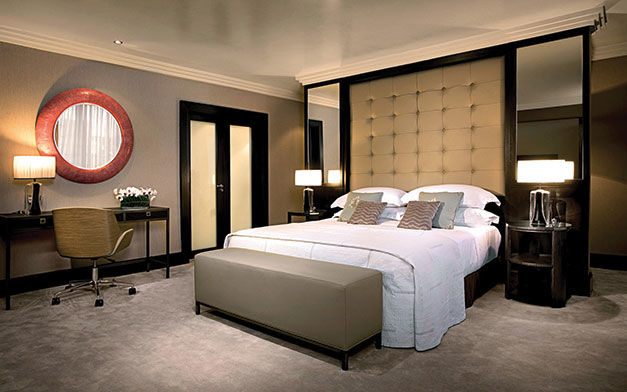
In a bedroom do you want a restful soothing mood or a more dramatic and intimate one? Create a quieter feeling with neutrals and soft colors and add more drama and intimacy with stronger more exciting colors.
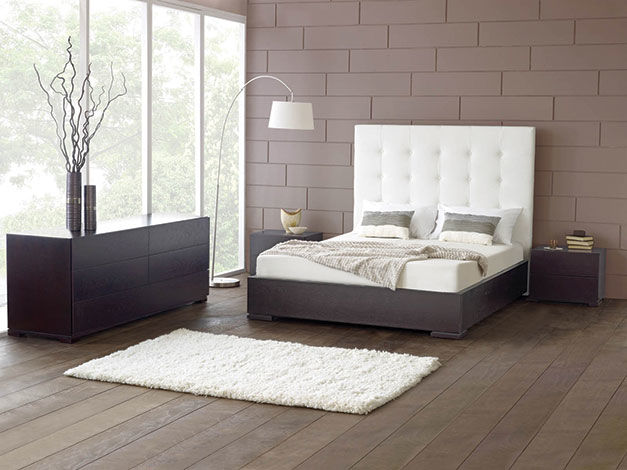
At the same time, consider children’s rooms with this same rule of thumb. Do you your children’s rooms to create an active and exciting energy or an orderly and restful feeling? Be Careful with bright intense hues as these colors are known to cause unrest and irritability and can actually over stimulate some kids. You may want to keep their bedrooms more subdued with pale soft hues and create a more exciting and vibrant mood in a playroom.
Decorative Finishes
I use decorative finishes in nearly every one of my design projects. Walls can be transformed from flat dull spaces into exciting and intriguing spaces with visual texture, color, glazes and metallic burnished finishes. These types of finishes will add depth and drama to any space.
Rules to Remember
- Light colors will be expansive and airy, making rooms seem brighter and even larger. These can range from creamy whites, beiges and oatmeal all the way to soft pastels.
- Darker tones are sophisticated and warm. Think: smoke, charcoal, slate, grey, chocolate brown or black. They can bring a more intimate feeling to a large room.
- Bright colors such as reds, yellows and orange are a great choice for rooms where you want to stir up a little excitement, particularly at night. For instance, red draws people together and stimulates conversation.
- To induce calm and tranquil moods, introduce blues, greens and soft shades of lavender.
- For drama, you might mix the colors for a sharp contrast such as smoke and lavender or chocolate brown and robin’s egg blue. Let your imagination have fun and learn to use color to dictate the mood of a room—and turn it from drab to fab!


(0) comments
We welcome your comments
Log In
Post a comment as Guest
Keep it Clean. Please avoid obscene, vulgar, lewd, racist or sexually-oriented language.
PLEASE TURN OFF YOUR CAPS LOCK.
Don't Threaten. Threats of harming another person will not be tolerated.
Be Truthful. Don't knowingly lie about anyone or anything.
Be Nice. No racism, sexism or any sort of -ism that is degrading to another person.
Be Proactive. Use the 'Report' link on each comment to let us know of abusive posts.
Share with Us. We'd love to hear eyewitness accounts, the history behind an article.