
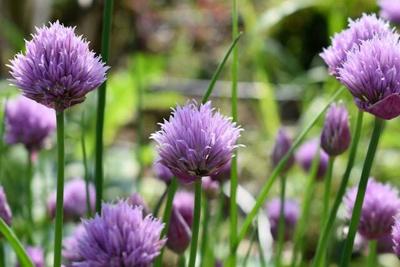

Bulbs can be some of the easiest and most rewarding garden plants you can grow. However, often the impatience and unknowing of gardeners can make growing bulbs seem more complicated than it is. While many bulbs require little maintenance or support, some gardeners will look for ways to encourage bulbs to grow, subsequently speeding up the process and improving the outcome of their growth period.
From spring bulbs to summer flowering bulbs, there are a wide variety of types of bulbs that can be planted at various points throughout the year for beautiful displays across containers or borders in your garden.
The best ways to encourage bulb growth
Simple and easy gardening methods can help maintain healthy bulb growth and to encourage your bulbs to grow year after year.
Watering - of course, an essential part of supporting your bulbs to grow. It is suggested that you water your bulbs regularly, especially just after planting and during their active growth period. If you are planning to leave bulbs in pots over winter, watering doesn’t have to be a priority but to ensure the bulbs are kept healthy, you should keep an eye that the soil doesn’t completely dry out. A quick water here and there should help.
Fertiliser and feed - two tools that are useful to a gardener when trying to promote healthy bulb growth. Different types of fertilisers and feeds will achieve different results for a variety of bulbs, so it is important to check what is best for your particular bulbs. A liquid tomato feed is particularly useful for encouraging healthy growth for the seasons ahead and should be used once per week or every ten days. The best time to begin feeding and fertilising is when shoots start to appear.
Pruning and deadheading - Pruning isn't typically necessary for bulbs, as they store their energy for growth within the bulb itself. However, there are a couple of situations where it might be helpful:
Removing dead foliage: Once the flowers have faded and the foliage has died back naturally, you can cut it down to the base. This improves the overall appearance of the garden and prevents diseases from spreading.
Encouraging next year's blooms: For some bulbs like tulips, deadheading (removing spent flowers before they set seed) can help the bulb store more energy for next year's flowers.
Top tips for planting bulbs in your garden
The following tips are additional pieces of advice you should keep in mind for when you are planting bulbs in your garden. No matter what time of year you are choosing to plant your bulbs, the following tips are essential for healthy growth.
Sunlight: Different bulbs have different sunlight requirements. Research the specific needs of your bulbs (sun-loving, partial shade, etc.) and plant them accordingly.
Soil Drainage: Bulbs dislike soggy conditions. Ensure your planting area has good drainage to prevent bulbs from rotting.
Lifting and Dividing: Some bulbs, like daffodils, can become crowded over time. Lifting them after flowering (when foliage has died back) and dividing them can encourage better growth and flowering.
Mulching: Apply a layer of mulch around your bulbs in the fall. This helps retain moisture, regulate soil temperature, and suppress weeds.
When to plant different types of bulbs
Spring flowering bulbs such as your common Daffodils, Hyacinths and others like Crocus, should be planted in the Autumn time. Usually between September and November, giving them plenty of time for growth throughout the colder winter months. Tulips can be planted a little later, in November. Particular hardy bulbs, such as tulips, can be planted and left in the ground for several years, allowing you to enjoy several seasons of spring blooms in your garden year after year.
Summer flowering bulbs include the likes of Lilies, Dahlia, and Freesias. While it is okay to plant summer flowering bulbs in spring, it is important to make sure that they are kept protected against harsh weather conditions including frosts. Since these bulbs are not as hardy as others, they require a little extra TLC but with some mulching, and lifting and storing in autumn, you’ll have summer flowering bulbs that will provide your garden with colour, life, vibrancy and wonderful scents all summer long.
(0) comments
We welcome your comments
Log In
Post a comment as Guest
Keep it Clean. Please avoid obscene, vulgar, lewd, racist or sexually-oriented language.
PLEASE TURN OFF YOUR CAPS LOCK.
Don't Threaten. Threats of harming another person will not be tolerated.
Be Truthful. Don't knowingly lie about anyone or anything.
Be Nice. No racism, sexism or any sort of -ism that is degrading to another person.
Be Proactive. Use the 'Report' link on each comment to let us know of abusive posts.
Share with Us. We'd love to hear eyewitness accounts, the history behind an article.