
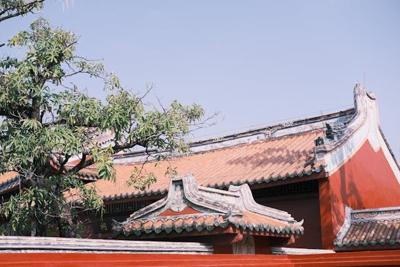

Log roofs are not only aesthetically pleasing but also offer a unique blend of durability and natural insulation. However, like any roofing material, a log roof requires regular maintenance to ensure it remains in optimal condition. Preserving the integrity of a log roof involves several key steps, from regular inspections to proper treatments. In this blog, we will explore the best practices for maintaining and preserving your log roof, ensuring it continues to protect and enhance your home for years to come.
Regular Inspections
The first step in maintaining a log roof is conducting regular inspections. Ideally, these should be done at least twice a year—once in the spring and once in the fall. During these inspections, look for any signs of damage such as cracks, splits, or rot in the logs. Pay close attention to the roof’s edges and any areas where water might pool. Identifying issues early allows for prompt repairs, preventing minor problems from becoming major ones.
Cleaning the Roof
Keeping your log roof clean is essential for its longevity. Leaves, branches, and other debris can accumulate on the roof, trapping moisture and promoting rot. Use a soft-bristle brush or a blower to remove debris. Avoid using a pressure washer as the high-pressure water can damage the wood fibers and strip away protective treatments. Regular cleaning not only preserves the appearance of the roof but also prevents the growth of moss and algae.
Treating the Wood
Treatment is crucial for preserving the wood of your log roof. Applying a high-quality wood preservative helps protect the logs from moisture, insects, and UV damage. There are various types of treatments available, including oil-based and water-based preservatives. Oil-based treatments penetrate deeper into the wood, offering longer-lasting protection, while water-based treatments are more environmentally friendly. It’s recommended to reapply these treatments every three to five years, depending on your local climate and the condition of the roof.
Sealing Cracks and Gaps
Over time, logs can develop cracks and gaps due to natural expansion and contraction. Sealing these openings is vital to prevent water infiltration and subsequent rot. Use a flexible, high-quality log caulk or sealant that can expand and contract with the wood. Apply the sealant during dry weather to ensure proper adhesion and effectiveness. Regularly check for new cracks and reseal as necessary to maintain the roof’s integrity.
Protecting Against Insects
Insects, particularly wood-boring beetles and termites, pose a significant threat to log roofs. To protect against these pests, ensure that the wood is treated with an insecticide as part of the preservation process. Additionally, the surrounding area should be kept clear of wood piles and vegetation that could attract insects. Regularly inspect the roof for signs of insect activity, such as small holes or sawdust, and take immediate action if an infestation is detected.
Managing Moisture
Moisture is one of the biggest enemies of log roofs. Proper moisture management involves several strategies:
Good Drainage: Ensure that your roof has proper drainage to prevent water from pooling. Gutters and downspouts should be clear and in good condition.
Overhangs and Eaves: Adequate overhangs and eaves help direct rainwater away from the roof and walls, reducing the risk of water damage.
Ventilation: Proper ventilation in the attic or roof space helps prevent moisture buildup and condensation, which can lead to rot and mold growth.
Repairing Damage
Despite your best efforts, damage can still occur. Promptly repairing any issues is crucial to preventing further deterioration. For minor damage, such as small cracks or loose shingles, you can often make the repairs yourself using log repair kits available at most hardware stores. For more significant damage, it’s best to hire a professional experienced in log roof repair. They can assess the extent of the damage and recommend the best course of action to restore the roof.
Regular Maintenance Schedule
Establishing a regular maintenance schedule is essential for the long-term preservation of your log roof. Create a checklist that includes inspections, cleaning, treatment applications, and repairs. Stick to this schedule to ensure that no aspect of maintenance is overlooked. Keeping a logbook of maintenance activities can also be helpful, providing a record of treatments and repairs that have been carried out.
Professional Assistance
While regular maintenance can be performed by homeowners, it’s advisable to seek professional assistance for certain tasks. Professional roofers and log home specialists have the expertise and equipment to conduct thorough inspections, apply treatments, and make repairs that meet industry standards. Investing in professional maintenance can extend the life of your log roof and provide peace of mind, knowing that it is being properly cared for.
Maintaining and preserving a log roof requires dedication and attention to detail, but the rewards are well worth the effort. By following these best practices—conducting regular inspections, cleaning the roof, treating the wood, sealing cracks, protecting against insects, managing moisture, repairing damage, and adhering to a maintenance schedule—you can ensure that your log roof remains a beautiful and functional part of your home for many years. For optimal results, consider enlisting the help of professionals who can provide specialized care and extend the longevity of your log roof.
Related Articles:


(0) comments
We welcome your comments
Log In
Post a comment as Guest
Keep it Clean. Please avoid obscene, vulgar, lewd, racist or sexually-oriented language.
PLEASE TURN OFF YOUR CAPS LOCK.
Don't Threaten. Threats of harming another person will not be tolerated.
Be Truthful. Don't knowingly lie about anyone or anything.
Be Nice. No racism, sexism or any sort of -ism that is degrading to another person.
Be Proactive. Use the 'Report' link on each comment to let us know of abusive posts.
Share with Us. We'd love to hear eyewitness accounts, the history behind an article.