
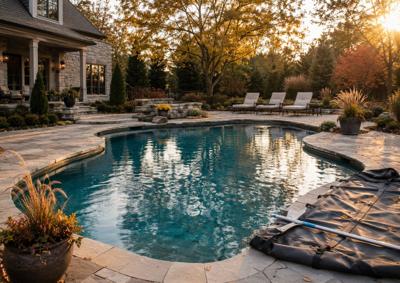

Closing a pool for the season is not exactly the glamorous side of backyard living. There are no floating trays, no late-afternoon swims, no guests admiring the water while pretending they did not just track sunscreen onto the cushions. Still, winterizing matters. Done well, it helps protect the pool, plumbing, equipment, surfaces, and water quality before colder weather has a chance to make itself expensive.
Learning how to winterize an inground pool is really about preventing spring problems. A rushed closing can lead to algae, cracked equipment, damaged plumbing, stained surfaces, dirty water, and a pool cover situation that nobody wants to discuss when warm weather returns. A thoughtful closing routine gives the pool a better chance of reopening cleanly, safely, and without greeting you with a swampy personality.
Know Whether Your Pool Actually Needs Full Winterizing
Not every pool needs the same winter routine. A pool in a cold climate with freezing temperatures needs more protection than a pool in a warmer region where it may stay open year-round or require only lighter seasonal care. Climate, pool type, equipment setup, plumbing, cover style, and local freeze risk all matter.
Homeowners in freeze-prone areas should take winterizing seriously because water left in lines, pumps, filters, heaters, or other equipment can expand and cause damage. In milder climates, the focus may be more on cleaning, chemistry, filtration, debris control, and occasional off-season maintenance. The first rule is simple: winterize for the pool you have, not the pool someone in another state described online.
Choose The Right Time To Close The Pool
Timing matters. Closing too early while the weather is still warm can encourage algae growth under the cover. Waiting too long in cold climates can leave the pool vulnerable to freezing temperatures. Many homeowners aim to close once swimming season is clearly over and the water has cooled, but before freezing weather becomes a concern.
The right timing depends on local conditions. If the pool tends to collect leaves in fall, if temperatures drop quickly, or if the equipment is complicated, plan ahead. Winterizing should not be a last-minute scramble involving a flashlight, a wet deck, and regret.
Clean The Pool Thoroughly First
Before closing, the pool should be as clean as possible. Skim leaves and debris, brush the walls, steps, benches, and waterline, and vacuum the pool floor. Cleaning before winter helps reduce organic matter that can stain surfaces, feed algae, or make the water harder to manage during the off-season.
This is where regular pool maintenance tools earn their place. A good skimmer, brush, vacuum setup, and test kit can make closing much easier. The pool should not be covered while it is full of leaves and mystery debris. That is not winterizing. That is saving a problem for later.
Test And Balance The Water
Water should be tested and balanced before closing so the pool is not sitting for months with chemistry that can contribute to staining, scaling, corrosion, cloudy water, or algae. Test pH, sanitizer, alkalinity, calcium hardness, and stabilizer before adding closing products.
The exact target ranges may depend on the pool type, finish, equipment, climate, and products used. Follow the product labels and the recommendations for the specific pool surface and closing kit. The larger point is simple: do not close a pool with water that is clearly out of balance. The cover may hide the water, but it does not magically improve it.
Understand What Closing Chemicals Do
Many homeowners use closing chemicals such as shock, algaecide, stain preventers, scale-control products, or winterizing kits. These can help maintain water quality during the off-season, but they work best when the pool is already clean and balanced.
Follow product labels carefully and never mix pool chemicals. The U.S. Environmental Protection Agency warns that pool chemicals can create risks, including fires, toxic vapor releases, and injuries, if stored or handled improperly. A winter pool closing is not the time to freestyle chemistry because the label looked boring.
Lower The Water Level Only If Needed
Some pools require the water level to be lowered before winter, especially when using certain winter covers or preparing plumbing in freeze-prone regions. Other pools should not be drained too far because low water can put stress on the structure or cover system. The right level depends on the pool, cover, equipment, and local climate.
Do not completely drain an inground pool unless a qualified professional recommends it. In some conditions, draining can create structural problems or allow hydrostatic pressure to damage the pool. If you are unsure how low the water should be, ask a pool professional before removing too much.
Clean And Prepare The Filter
The filter should be cleaned and prepared according to its type. Cartridge filters may need to be removed, rinsed, dried, inspected, and stored properly. Sand filters and DE filters may require backwashing, cleaning, draining, or specific closing procedures.
Good filter care protects the circulation system and helps make spring reopening easier. If the filter was already struggling before closing, do not ignore it. Winter has never been known to improve a dirty filter’s attitude. Address problems before the pool is covered so they are not waiting for you when the weather warms up.
Protect The Pump, Heater, And Equipment
Pool equipment needs special attention before winter. Pumps, heaters, filters, chlorinators, salt systems, valves, automation systems, and other components may need to be drained, cleaned, disconnected, protected, or inspected depending on the system and local conditions.
In freezing climates, water left inside equipment can expand and cause cracks or damage. Follow manufacturer instructions and professional recommendations for each component. For homeowners planning future equipment upgrades, ENERGY STAR notes that certified in-ground pool pumps use less energy than standard pumps, which can make pump choice part of a broader maintenance and efficiency plan. The closing routine is also a good time to notice aging equipment before it fails at the worst possible moment.
Blow Out And Plug Plumbing Lines In Freeze-Prone Areas
In areas where freezing is a concern, pool plumbing lines often need to be cleared of water and plugged to prevent freeze damage. This process may involve blowing out lines with air, adding appropriate winter plugs, and sometimes using pool-safe antifreeze where recommended.
This is a step where professional help is often worth it. Underground plumbing is not something most homeowners want to gamble with. If lines are not cleared properly, freezing water can expand and crack pipes. The problem may not be obvious until spring, which is exactly when everyone would rather be opening the pool than excavating around it.
Remove And Store Accessories
Before closing, remove ladders, handrails, pool toys, floats, cleaners, baskets, detachable fittings, and accessories as needed. Clean and dry these items before storing them so they are not growing mildew or looking tragic by spring.
This is also a good time to tidy the surrounding backyard. A clean, organized pool area makes winter maintenance easier and reduces debris around the cover. These habits connect naturally with knowing how to keep your pool area clean before and after swim season.
Choose The Right Pool Cover
A pool cover helps reduce debris, protect water quality, and support safety when the pool is not in use. Covers vary widely, including mesh safety covers, solid covers, automatic covers, and winter covers. The best choice depends on the pool design, climate, safety needs, budget, and maintenance expectations.
The Pool Safely campaign from the U.S. Consumer Product Safety Commission emphasizes layers of protection around pools and spas, including safer pool environments and barriers. A cover can be helpful, but it should not be treated as the only safety measure. Gates, barriers, supervision, and proper use still matter.
Install The Cover Correctly
A good cover only works well if it is installed properly. Make sure the cover fits, is secured, and is appropriate for the pool. Loose, sagging, damaged, or poorly anchored covers can collect water and debris, strain hardware, or create unsafe conditions.
After installation, check the cover periodically during the off-season. Remove excess debris when safe to do so, monitor water accumulation if applicable, and make sure anchors, straps, and edges remain secure. A pool cover is not a decorative blanket. It is part of the maintenance plan.
Check Barriers, Gates, And Access Points
Closing the pool does not mean ignoring safety around the pool area. Gates should latch properly, barriers should be intact, and access points should remain secure. This is especially important when a pool is covered and not being watched daily.
The CPSC Safety Barrier Guidelines for Home Pools are a useful reference for homeowners reviewing barriers, gates, and access concerns around residential pools. Winter is a good time to fix loose latches, damaged fencing, poor visibility, or anything else that makes the pool area easier to access than it should be.
Check For Leaks Before Closing
Winterizing a pool with an active leak can make problems harder to track later. Before closing, watch the water level, look for damp spots, inspect the equipment pad, and check visible fittings, skimmers, and lights. A leak that seems minor in fall can become more complicated during the off-season.
If the pool is losing water faster than expected, review common pool leak problems before closing. Fixing or at least identifying a leak early can help protect the pool, decking, equipment, and surrounding landscaping.
Do Not Ignore Algae Prevention
Algae can still become a problem when a pool is closed, especially if the water was warm, dirty, or unbalanced at closing. Cleaning, brushing, balancing, and proper closing chemicals can help reduce the chance of opening the pool to green water.
For homeowners who struggle with recurring algae, a guide on how to prevent algae in a swimming pool can help explain why circulation, sanitizer, brushing, filtration, and debris control all matter before closing.
Keep An Eye On The Pool During The Off-Season
Once the pool is closed, it should not be completely forgotten. Check the cover, water level, surrounding drainage, equipment area, and visible anchors or hardware during the off-season. Heavy storms, wind, debris, animals, and shifting temperatures can all affect the pool area.
In colder areas, watch for ice or water accumulation that could strain the cover. In milder climates, monitor debris and water clarity if the pool remains partially active. A few quick checks can prevent a small issue from becoming the unpleasant surprise waiting under the cover.
Know When To Hire A Professional
Pool winterizing can be simple in some climates and technical in others. If the pool has complex plumbing, a heater, water features, an attached spa, automation, salt systems, older equipment, or a history of leaks, hiring help may be the better decision.
A qualified swimming pool service company can help close the pool properly, protect equipment, balance the water, prepare the filter, and reduce the risk of spring problems. This is especially important in areas where freezing can damage plumbing and equipment.
How Winterizing Fits Into Pool Maintenance
Winterizing is not separate from pool maintenance. It is the seasonal version of the same habits that keep a pool healthy during swim season: cleaning, testing, balancing, inspecting, protecting equipment, and paying attention before small issues become expensive.
Homeowners who already follow practical pool maintenance tips will usually have an easier time closing the pool. A pool that is clean, balanced, and maintained going into winter is far less likely to behave badly when it is time to reopen.
The Bottom Line On Winterizing An Inground Pool
To winterize an inground pool properly, start with a clean pool, balanced water, prepared filters, protected equipment, the right water level, secure barriers, and a properly fitted cover. In freeze-prone regions, plumbing lines and equipment need extra care to prevent damage. In milder climates, seasonal maintenance may be lighter, but it still matters.
The goal is not simply to close the pool. It is to protect the backyard investment so spring opening feels manageable instead of mildly horrifying. A well-winterized pool is easier to reopen, easier to balance, and far less likely to greet the new season with algae, leaks, equipment problems, or a cover full of regret.
(0) comments
We welcome your comments
Log In
Post a comment as Guest
Keep it Clean. Please avoid obscene, vulgar, lewd, racist or sexually-oriented language.
PLEASE TURN OFF YOUR CAPS LOCK.
Don't Threaten. Threats of harming another person will not be tolerated.
Be Truthful. Don't knowingly lie about anyone or anything.
Be Nice. No racism, sexism or any sort of -ism that is degrading to another person.
Be Proactive. Use the 'Report' link on each comment to let us know of abusive posts.
Share with Us. We'd love to hear eyewitness accounts, the history behind an article.