
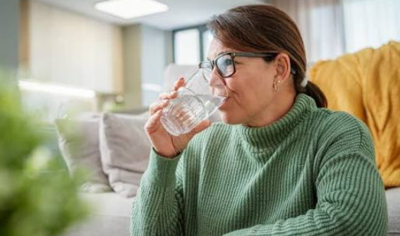

Have you ever thought about the kind of water that comes out of your taps? You drink it, use it for cooking, and wash in it every day, so thinking about this is critical. Don’t worry, you aren’t alone if you don’t give much thought to what is found in the water. Most people don’t think about it, but it’s a good idea to understand its properties. In particular, whether or not you have hard water. Here is everything you need to know about hard water and what to do when you are living with it.
What Exactly is Hard Water?
What’s important to know is that the water that falls from the sky is considered soft. Once it encounters the ground and flows over different types of rock, such as limestone, it becomes hard water. During this process, the water accumulates small amounts of minerals, such as magnesium and calcium, which end up as part of the water itself. Hard water is still completely safe to drink and use for bathing, but it can lead to some issues, such as soap scum and limescale.
How Can You Tell if You Have Hard Water?
There are a couple of signs that your water is hard, such as finding white scales on your showerhead and faucets and experiencing dry skin and hair after you have gotten out of the shower. You can also look up a water quality report for your area online.
To know exactly how hard your water is, you can book a free test with a water treatment solution like Culligan of Red Wing. This will help you understand the mineral levels in your water, as well as the hardness classification. From there, you can decide whether to seek a water treatment solution. Culligan specifically serves areas across Minnesota and western Wisconsin, which are places known for harder water. As it’s free to test, it’s a great place to start to know where you stand. Plus, they have water treatment solutions that can turn all your household water soft.
Is Living with Hard Water a Bad Thing?
Soft water is generally considered preferable to hard water. While living with hard water isn’t typically a problem for your health and is safe to drink, many people find dealing with dry skin and hair and damaged appliances difficult.
Here’s the reality of living with hard water:
- Limescale buildup: You’ll notice that the minerals form crusty white scales on your faucets and showerheads, which can be hard to clean.
- Higher energy bills: Hard water can build up inside your pipes and water heaters, meaning your home’s heating process is not as efficient, and is therefore increasing your energy bills.
- Appliances die faster: The hard water scales can shorten the lifespan of appliances, including your washing machine and dishwasher.
- Skin and hair problems: Hard water strips your skin of its natural oils. Your skin might feel overly tight and dry after washing, and your hair rough, dry, and coarse.
- More minerals consumed: Hard water contains more minerals like calcium and magnesium, which can help with heart and bone strength.
Should You Switch to Soft Water?
Most people would agree that switching to soft water is ideal. The only true benefit of hard water is the additional minerals you get from drinking the tap water, but, in reality, this is not enough to counteract all the downsides. Plus, you can get those minerals in many other ways, such as taking specific supplements or simply eating foods containing plenty of calcium and magnesium.
When you switch to soft water, you’ll experience many benefits in your day-to-day life, from having better hair and skin to not having to scrub at your appliances because of the residue, so consider getting your test and the right solutions in place to enjoy soft water.




(0) comments
We welcome your comments
Log In
Post a comment as Guest
Keep it Clean. Please avoid obscene, vulgar, lewd, racist or sexually-oriented language.
PLEASE TURN OFF YOUR CAPS LOCK.
Don't Threaten. Threats of harming another person will not be tolerated.
Be Truthful. Don't knowingly lie about anyone or anything.
Be Nice. No racism, sexism or any sort of -ism that is degrading to another person.
Be Proactive. Use the 'Report' link on each comment to let us know of abusive posts.
Share with Us. We'd love to hear eyewitness accounts, the history behind an article.