
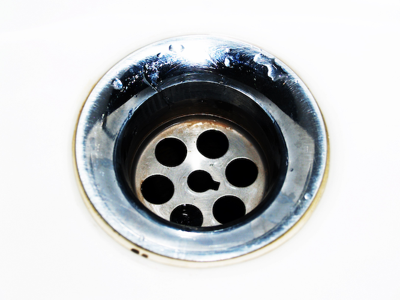

Have you been noticing a strong stench in your house? Can’t locate where it’s coming from? One day, you’re certain it’s coming from the bathroom, while the next day, you swear to yourself it’s coming from the kitchen. But wherever it’s coming from, you need to get rid of it as soon as you can.
And so it begins… You suspect everything from dead mice in your vent, milk gone bad, to your cat doing their business in a secret spot, to blocked drains. So now you need to call the odor-busters! In other words, you need to get professional help.
But how do you know when to get help if your home has unpleasant odors due to blocked drains, vent trash, or plumbing problems? Well, have no fear; let us help you!
Understanding Blocked Drains and Odors
Blocked drains are a common household problem that can lead to unpleasant odors. When drains become clogged with debris, hair, grease, soap scum, or other materials, water flow becomes restricted.
This stagnant water can accumulate bacteria and other microorganisms, producing foul smells. Blocked drains are often noticed in sinks, showers, toilets, and floor drains.
So, there’s a pretty good chance that the awful stench that’s been “gracing” your lovely home for the past few weeks is coming from blocked drains.
Health Implications
Aside from offensive odor, blocked drains can have a lot of health risks. The accumulation of bacteria and mold can lead to respiratory problems, allergies, and skin irritation.
Also, pests such as flies and mosquitoes are attracted to the standing water, which can further exacerbate hygiene issues.
Blocked drains can also lead to mold, which can be a source of a number of health problems, including sore throat, itchy eyes, difficulty breathing, skin allergies, and worsening of any existing lung problems.
So, it’s imperative that you deal with blocked drains as soon as possible because leaving them blocked will only make things worse.
When to Seek Professional Assistance for Blocked Drains
You must get rid of blocked drains as soon as you come across them to prevent odors from getting worse and other potential health risks.
Consider seeking professional assistance to get rid of blocked drains in the following situations:
1. Persistent Odor
If the unpleasant smell persists despite attempts to clean the drains, it’s a sign that the issue might be deeper than the plumbing system.
2. Slow Drainage
If water is draining slowly or not at all, it indicates a significant blockage that needs professional attention.
3. Gurgling Noises
Gurgling sounds when water is draining can indicate an air blockage, which might be due to a clog further down the line.
4. Multiple Blocked Drains
If multiple drains are blocked in your home at the same time, it could signal a more extensive blockage within the plumbing system.
5. DIY Efforts Fail
If your DIY efforts at using plungers, drain snakes, or commercial drain cleaners don’t resolve the issue or make the situation worse, it’s time to call a professional.
As a matter of fact, if you notice all or most of the issues above, it’s best if you call up the pros before even attempting to do anything yourself. You might be causing more blockages or pushing the clog further down the drain without you even knowing.
Preventive Measures for Avoiding Blocked Drains
Prevention is key to avoiding blocked drains and the associated odors:
1. Install Drain Guards
Drain guards or strainers in sinks and showers can act as a shield between your drain and any hair, food particles, soap scum, and other debris before they enter the drain.
2. Get Rid of Grease Properly
Don’t pour cooking grease down the drain, as it tends to solidify and cause blockages. Instead, let it cool and then throw it into your food waste trash.
3. Aerate The Space
If the smell is getting too intense, open all windows and doors to aerate the space. Spray air freshener or hang scent packets in the bathroom and around the kitchen to mask the smell until you get it fixed by professionals.
4. Regular Cleaning
Don’t let stuff collect on the drain for too long; pick them up and throw them away in the trash. Don’t try to flush them down the drain by spraying them with water or cleaners. You’re probably creating a bigger blockage than you started with in the first place.
5. Mind What You Flush
Only flush toilet paper down the toilet. Don’t flush things like wet paper towels, cotton balls, sanitary products, or hairballs, as they can severely block the drains.
Long-Term Maintenance Strategies
To maintain your drains and prevent future blocked drain problems:
1. Regular Professional Inspections
Schedule regular inspections with a professional plumber to identify potential problems before they get worse. Monthly check-ups are highly recommended.
2. Professional Drain Cleaning
Have professional plumbers clear blocked drains using specialized equipment to remove accumulated debris and prevent blockages.
3. Educate Your Family Members
Let everyone in your house understand proper drain usage and what should not be flushed or washed down the drains. Tell them how trying to deal with the blockages themselves or using any DIY tips can exacerbate the problem and make it even more difficult to handle blocked drains.
Teach children about the dangers of throwing or flushing things down the toilet, and you can also install flush locks to be extra vigilant.
4. Upgrade Plumbing
If you have an older plumbing system that’s prone to blockages or clogs, consider upgrading or changing to newer, more efficient pipes.
5. Keep Your Space Clean and Fresh
Before things become bad enough to cause blocked drains, you have to start by keeping your bathrooms and kitchen clean and hygienic.
Clean the floors of your bathroom with a good cleaner and dispose of any debris responsibly without resorting to flushing down the toilets. Keep scent packets to keep the space smelling fresh and clean.
As for your kitchens, use good cleaners and wash up after every cooking session without letting debris and other things collect and accumulate on the drains and sinks. Use a spray washer to clean the countertops and keep them looking and smelling fresh by using good-scented cleaners and soaps.
Conclusion
We hope this guide helps you keep your house smelling clean and fresh at all times. Whether it’s because of blocked drains or anything else, make sure to address any smell or issue promptly before letting it overtake your entire household.
Remember to have professionals come in for drain inspections and clear blocked drains whenever encountered. Share this with fellow homeowners who want to keep their spaces smelling clean and their drains unblocked and unbothered.
FAQs
1. How To Create Room Fresheners At Home?
Answer: To create an effective, natural, and great smelling room freshener at home, you’ll need rubbing alcohol, your favorite smelling essential oils, a spray bottle, and a container. Add ingredients to the bottle and shake it to combine, test spray to check the smell.
2. How To Make All Natural Bathroom Cleaners?
Answer: Here’s how you make your very own all natural bathroom cleaners.
Add ⅔ cup of baking soda to ½ cup of liquid soap, add ½ cup of water and 2 tbsp of vinegar to the mixture. Shake up the blend to let it mix properly and then add your favorite essential oils to the mix. Test it, and dilute with baking soda or vinegar if the mixture is too oily or soapy.
(0) comments
We welcome your comments
Log In
Post a comment as Guest
Keep it Clean. Please avoid obscene, vulgar, lewd, racist or sexually-oriented language.
PLEASE TURN OFF YOUR CAPS LOCK.
Don't Threaten. Threats of harming another person will not be tolerated.
Be Truthful. Don't knowingly lie about anyone or anything.
Be Nice. No racism, sexism or any sort of -ism that is degrading to another person.
Be Proactive. Use the 'Report' link on each comment to let us know of abusive posts.
Share with Us. We'd love to hear eyewitness accounts, the history behind an article.