
Air conditioning and heating units are essential for maintaining comfortable temperatures in our homes, offices, and other indoor spaces. While most of us rely on these systems daily, there are still many crucial facts about AC & heating units that we may not be aware of. In this article, we will explore six important facts about AC & heating units that you need to know to better understand and maintain these important systems. From the basics of how they work to tips for improving efficiency, we've got you covered.

How AC & Heating Units Work
Understanding the functionality of AC and heating units is important. Whether you choose Lex Air Conditioning and Heating or any other provider, these systems operate on the same basic principles. First, air conditioning units use a chemical refrigerant to absorb heat from inside your home and transfer it outside, cooling down your indoor space in the process. On the other hand, heating units use a fuel source such as gas or electricity to generate heat and distribute it throughout your home. Both systems rely on various components, including compressors, evaporators, and condensers to function properly.
The Different Types of AC & Heating Systems
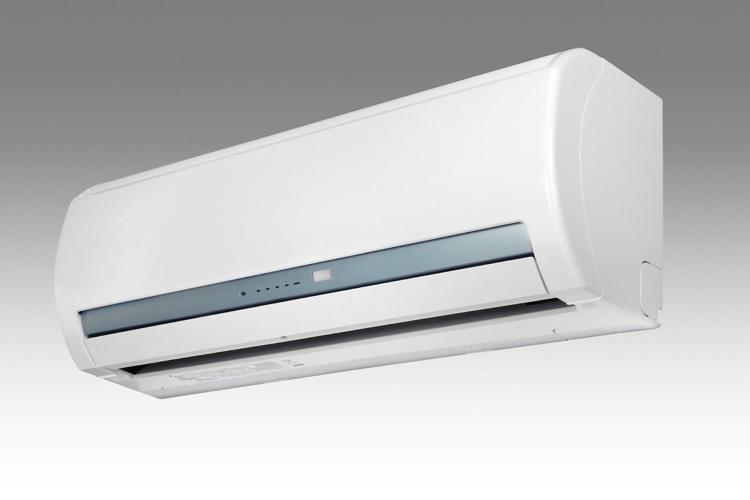
There are various types of AC & heating units available on the market, each with its advantages and drawbacks. The most common type is a split system, which consists of an outdoor unit containing the condenser and compressor and an indoor unit containing the evaporator. This type is typically used in residential settings. Another popular option is a packaged system where all components are housed in a single unit, usually installed on the roof of a building. These are commonly used in commercial buildings and multi-family residences. Ductless mini-split systems are also gaining popularity as they provide individual heating and cooling control for different zones in a home or building. Finally, there are geothermal systems that use the heat from the earth to cool or heat indoor spaces.
Common Issues and Maintenance Tips
As with any mechanical system, AC and heating units can experience issues over time. These systems are integral to maintaining a comfortable indoor environment, but they are not immune to wear and tear. Some of the common problems include refrigerant leaks, which can reduce cooling efficiency and damage the compressor, and faulty thermostats that can lead to inconsistent temperatures. Dirty filters can obstruct airflow, causing the unit to work harder and increasing energy consumption, while clogged condensate drains can lead to water damage and mold growth. Address these issues promptly to avoid further damage and high repair costs. Regular maintenance is key to preventing these problems and ensuring your unit runs efficiently. Change your air filters regularly to maintain good airflow, clean the outdoor unit to remove debris that could hinder performance, and schedule annual maintenance checks to keep your AC & heating unit in top condition. During these checks, a professional technician will inspect your system for any potential issues, clean essential components, and make necessary repairs to extend the lifespan of your unit. Taking these proactive steps will help you maintain a comfortable and energy-efficient home environment year-round.

Energy Efficiency and Cost Savings
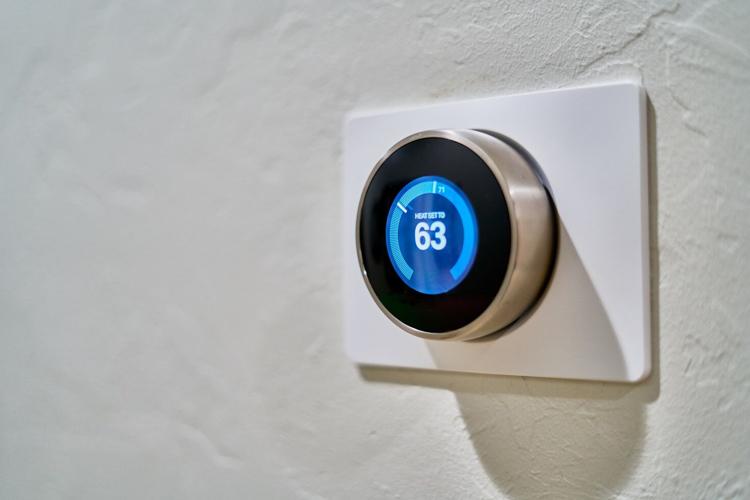
When considering air conditioning and heating units, their energy efficiency and potential for cost savings are among the most crucial factors. These systems can consume a significant amount of energy, resulting in high utility bills. However, there are ways to improve efficiency and save money on your energy costs. First, make sure to choose an appropriately sized unit for your space to avoid wasting energy. Keep your thermostat at a moderate temperature to reduce strain on the system. You can also invest in energy-efficient models that meet certain efficiency standards set by organizations like Energy Star. Moreover, regular maintenance and proper insulation can also improve efficiency and save money. Consider using a programmable thermostat to adjust temperatures when you are away or asleep, reducing unnecessary energy consumption.
Upgrading Your System: When Is It Necessary?
Upgrading your AC & heating system is necessary when your current unit is no longer functioning efficiently or adequately meeting your needs. If you notice that your energy bills are increasing, even after regular maintenance, it may be a sign that your system is becoming outdated and inefficient. Other signs to look out for include uneven temperatures in different parts of your home, frequent breakdowns, and strange noises coming from the unit. These may indicate that your system is struggling to keep up with your heating and cooling demands. If your current system is over 10 years old, it may be time for an upgrade as newer models are more energy-efficient and offer advanced features such as smart thermostats. Consider consulting with a professional HVAC technician to assess your current system and provide recommendations for an upgrade. Investing in a new AC & heating unit may seem like a significant expense, but it can save you money in the long run by reducing energy costs and preventing frequent repairs. Plus, with advancements in technology, newer units offer more comfort and convenience features such as remote control options and better air filtration.
Environmental Impact and Sustainability Considerations
While AC and heating units are essential for our comfort, they also have an impact on the environment. The refrigerants used in older models, such as chlorofluorocarbons (CFCs), contribute to ozone depletion and climate change. However, newer models use more environmentally friendly refrigerants like hydrochlorofluorocarbons (HCFCs) and hydrofluorocarbons (HFCs). The energy consumption of these units contributes to carbon emissions and global warming. That's why it's important to consider sustainability when choosing an AC & heating system. Look for models that use eco-friendly refrigerants and have high energy efficiency ratings. You can also opt for renewable energy sources to power your unit, such as solar panels. Regular maintenance and proper insulation can also reduce energy consumption, leading to a smaller carbon footprint. As consumers become more environmentally conscious, manufacturers are also taking steps to produce more sustainable AC & heating units.
Air conditioning and heating units are essential for comfort and convenience. Understanding how these systems work and the different types available can help you make informed decisions for installation or upgrades. Regular maintenance is crucial for optimal performance and efficiency, leading to long-term cost savings. With environmental concerns rising, consider eco-friendly options. By staying informed and proactive, you can ensure your AC & heating unit serves you well for years.


(0) comments
We welcome your comments
Log In
Post a comment as Guest
Keep it Clean. Please avoid obscene, vulgar, lewd, racist or sexually-oriented language.
PLEASE TURN OFF YOUR CAPS LOCK.
Don't Threaten. Threats of harming another person will not be tolerated.
Be Truthful. Don't knowingly lie about anyone or anything.
Be Nice. No racism, sexism or any sort of -ism that is degrading to another person.
Be Proactive. Use the 'Report' link on each comment to let us know of abusive posts.
Share with Us. We'd love to hear eyewitness accounts, the history behind an article.