
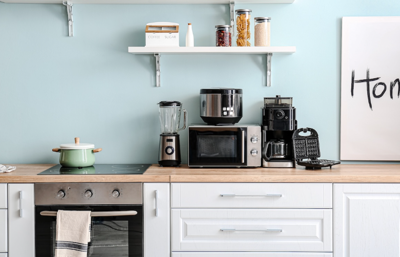

The kitchen is one of the busiest rooms in a home, and it often has more electrical appliances than any other area. Refrigerators, ovens, microwaves, dishwashers, kettles, coffee machines, and other appliances can all place a heavy demand on the electrical system. When outlets, wiring, or appliances are not working properly, even a small issue can become a safety concern.
One common problem is using too many appliances from the same outlet or power board. Kitchen appliances can use a significant amount of electricity, and connecting several high-powered devices to one outlet may cause overheating or trip the circuit breaker. Homeowners should avoid relying on multiple power boards and extension leads as a permanent solution.
If your kitchen has frequent electrical issues, it may be worth having AJ Residential Electricians inspect the system. A qualified electrician can help identify overloaded circuits, damaged wiring, faulty outlets, or other problems that may not be obvious during everyday use.
Watch for warm or damaged outlets
An outlet should not feel unusually warm when it is being used normally. Discolouration, scorch marks, buzzing sounds, loose fittings, or a burning smell can also indicate an electrical problem.
If you notice any of these signs, stop using the outlet and arrange for it to be inspected. Continuing to use a damaged outlet can increase the risk of electrical shock or fire.
Avoid overloading kitchen circuits
Modern kitchens often have several high-powered appliances running at the same time. An oven, dishwasher, kettle, toaster, and microwave may all be operating within the same period.
A properly designed electrical system should be able to handle normal household use. However, older homes may have wiring and circuits that were not designed for today's electrical demands. Repeatedly tripping circuit breakers can be a sign that the system needs attention.
Be careful around water
Water and electricity are a dangerous combination, which makes kitchen safety especially important. Keep appliances, cords, and portable power boards away from sinks and wet surfaces.
If an appliance or outlet becomes wet, do not simply continue using it after wiping the surface dry. The electrical components may still be affected by moisture and should be checked if there is any concern about damage.
Check kitchen appliances regularly
Electrical problems do not always start with the home's wiring. Faulty appliances can also create problems. Frayed cords, damaged plugs, unusual smells, sparks, or appliances that repeatedly trip the circuit should not be ignored.
Older appliances should also be checked for signs of wear. If a device is causing repeated electrical issues, unplug it and have it inspected or replaced rather than continuing to use it.
Pay attention to older wiring
Homes that have not had electrical upgrades for many years may have wiring that is no longer suitable for modern household use. This can become more noticeable in kitchens because of the number of appliances being used.
If you are unsure about the age or condition of your home's wiring, an electrician can inspect the system and advise whether an upgrade is needed. Homeowners considering this should also learn how often a home may need rewiring, especially if the property has older electrical infrastructure.
Do not ignore frequent circuit breaker trips
A circuit breaker is designed to switch off when it detects a problem such as an overload or short circuit. While resetting a breaker may restore power temporarily, repeatedly resetting it without finding the cause is not a good solution.
Frequent trips may point to an overloaded circuit, faulty appliance, damaged wiring, or another electrical issue. An electrician can determine why the breaker is operating and recommend the appropriate repair.
Consider electrical needs during a kitchen renovation
A kitchen renovation is a good opportunity to review the electrical system before new cabinets, appliances, lighting, and outlets are installed. Adding appliances without considering the existing electrical capacity can create problems later.
An electrician can help determine where outlets should be positioned and whether additional circuits, lighting, or other electrical work may be required. Planning these changes before construction can also make the installation process easier.
When should you call an electrician?
Some electrical problems are easy to spot, but others can remain hidden behind walls, outlets, or appliances. If you notice burning smells, sparks, buzzing, damaged outlets, exposed wiring, repeated breaker trips, or unexplained power problems, it is best to have the issue checked by a licensed professional.
Homeowners should also avoid attempting electrical repairs themselves. Electrical work can be dangerous and may need to meet local safety and installation requirements.
Keep your kitchen electrical system safe
A safe kitchen depends on more than using appliances correctly. The condition of the outlets, wiring, circuits, and electrical protection also matters. Regular attention to these areas can help homeowners identify problems before they become more serious.
If your kitchen has an older electrical system or you are planning a renovation, getting professional advice can help you understand what needs to be upgraded and what can remain as it is. Addressing electrical problems early can also help keep everyday kitchen use safer for everyone.
Frequently asked questions
Why does my kitchen circuit breaker keep tripping?
A circuit breaker may trip because the circuit is overloaded, an appliance is faulty, or there is a problem with the wiring. If it keeps happening, the cause should be checked by a licensed electrician rather than repeatedly resetting the breaker.
Is it safe to use a power board in the kitchen?
Power boards should not be used as a permanent solution for running several high-powered kitchen appliances. Kettles, toasters, microwaves, and other appliances can place a heavy load on a circuit. Where more outlets are needed, an electrician can recommend a safer option.
What are signs of an electrical problem in the kitchen?
Warning signs include warm or discoloured outlets, burning smells, buzzing sounds, sparks, damaged cords, flickering lights, and circuit breakers that trip frequently. These issues should not be ignored.
Should old kitchen wiring be replaced?
It depends on the age, condition, and capacity of the existing electrical system. If a home has older wiring or struggles to handle modern appliances, an electrician can inspect the system and determine whether rewiring or other upgrades are necessary.
Can I install a new kitchen outlet myself?
Electrical outlet installation should be handled by a licensed electrician. Kitchen outlets need to be installed correctly and in accordance with applicable electrical safety requirements, particularly because they are often located near water.
What should I do if a kitchen appliance causes sparks?
Stop using the appliance and unplug it if it is safe to do so. Do not continue using an appliance that produces sparks, a burning smell, or unusual sounds. If the problem continues or there are concerns about the outlet or wiring, contact a licensed electrician for an inspection.


(0) comments
We welcome your comments
Log In
Post a comment as Guest
Keep it Clean. Please avoid obscene, vulgar, lewd, racist or sexually-oriented language.
PLEASE TURN OFF YOUR CAPS LOCK.
Don't Threaten. Threats of harming another person will not be tolerated.
Be Truthful. Don't knowingly lie about anyone or anything.
Be Nice. No racism, sexism or any sort of -ism that is degrading to another person.
Be Proactive. Use the 'Report' link on each comment to let us know of abusive posts.
Share with Us. We'd love to hear eyewitness accounts, the history behind an article.