
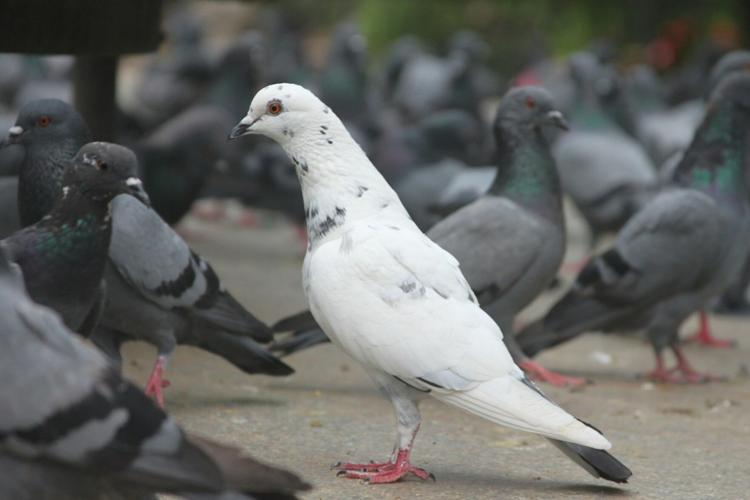



Urban industrial areas face the distinct challenge of managing pigeon populations due to their complex structures and abundance of roosting sites. Often characterized by factories, warehouses, and production facilities, these areas provide an array of sheltered spots conducive to pigeon nesting and roosting. As pigeons adapt to these urban environments, they can cause significant economic loss and health concerns through the accumulation of droppings, potential disease transmission, damage to machinery, and detriment to product integrity.
Addressing pigeon issues in these settings requires a vigilant approach to bird control in industrial facilities, focusing on sustainable and humane strategies. Implementing effective pigeon control measures is vital for mitigating associated risks and maintaining the operational efficacy of industrial zones. Practical solutions range from habitat alteration, which makes the environment less attractive to pigeons, to using various deterrents and population management techniques.
Key Takeaways
Industrial areas provide ideal settings for pigeons, creating specific control challenges.
Sustainable and humane control methods are crucial for managing pigeon populations.
Effective management strategies mitigate economic loss and health concerns.
Assessing Pigeon-Related Challenges in Urban Industrial Areas
Urban industrial areas grapple with unique pigeon-related challenges due to dense pigeon populations that thrive in these man-made habitats. Addressing these issues requires a thorough understanding of the intricacies involved in pigeon management.
Population Dynamics and Environmental Impact

In urban industrial areas, pigeon populations often exhibit exponential growth due to abundant food sources and a lack of natural predators. These environments unwittingly support large flocks, leading to an imbalance in local ecosystems. An increase in pigeon droppings contributes to pollution and can accelerate the deterioration of buildings and machinery, causing considerable maintenance challenges.
Health Hazards and Public Safety
The health concerns associated with pigeons primarily stem from their droppings, which can harbor pathogens responsible for various diseases. Zoonotic diseases like histoplasmosis, cryptococcosis, and psittacosis pose a risk to public health. Moreover, droppings left on walkways can create slip hazards, thus undermining public safety in urban environments.
Economic Considerations and Damage to Property
Economic implications are seen in the costs associated with cleaning and repairing the damage caused by pigeons to buildings, vehicles, and machinery. Areas with heavy pigeon traffic may experience more frequent and costly building maintenance. Strategies to control pigeons are often a financial burden for businesses and municipal bodies, highlighting the need for economic reflection when devising long-term management plans.
Control and Management Strategies
Effective pigeon control strategies are crucial for mitigating the challenges posed by these birds in urban industrial areas. The strategies encompass preventive measures, direct control methods, and consideration of ethical and regulatory guidelines.
Preventive Measures and Habitat Modification
Habitat modification: One primary strategy for pigeon control is to alter the environment to make it less attractive to pigeons. Removing food sources can significantly reduce pigeon populations as it directly affects their capacity to thrive. Industrial areas should implement strict waste management protocols to minimize potential food sources for pigeons. Physical deterrents such as netting can also prevent pigeons from roosting and nesting in certain locations, discouraging congregation.
Preventive design: The architectural design of buildings can incorporate pigeon deterrent features, such as sloped surfaces or materials that pigeons find unsuitable for landing. These design choices are a proactive approach to pigeon prevention and require careful planning and consultation with experts in bird control in industrial facilities.
Population Control Methods

Trapping: Industrial areas may utilize trapping to manage pigeon populations. This requires continued monitoring to assess its effectiveness and to ensure that birds are handled humanely.
Birth control: An emerging trend in urban pigeon population management is the use of contraception. Feeding pigeons birth control substances can control populations over time without causing immediate harm to the birds, which is seen as a humane approach to pigeon control.
Falconry: Employing raptors, like falcons, is an environmentally friendly method of reducing pigeon populations. Falconry mimics natural predation patterns and can be effective in deterring pigeons from the area while also respecting native wildlife.
Regulatory and Ethical Considerations
Ethics: When implementing pigeon control techniques, it is essential to consider the ethical aspects of wildlife management. Employing humane methods that do not cause undue suffering to pigeons is crucial.
Regulations: Complying with local wildlife and animal welfare laws is mandatory when considering pigeon control options. This means that all methods employed must be legal and sanctioned by relevant authorities, taking care to protect both the environment and the well-being of the birds.
In urban industrial areas, pigeon control presents a unique set of challenges due to the abundance of roosting and nesting sites and food availability. Effective management strategies must include thorough monitoring, habitat modification, and a combination of deterrents to reduce populations. Employing a strategic approach that is humane and environmentally responsible is key to achieving long-term success in controlling urban pigeon infestations and mitigating their impact on these areas.


(0) comments
We welcome your comments
Log In
Post a comment as Guest
Keep it Clean. Please avoid obscene, vulgar, lewd, racist or sexually-oriented language.
PLEASE TURN OFF YOUR CAPS LOCK.
Don't Threaten. Threats of harming another person will not be tolerated.
Be Truthful. Don't knowingly lie about anyone or anything.
Be Nice. No racism, sexism or any sort of -ism that is degrading to another person.
Be Proactive. Use the 'Report' link on each comment to let us know of abusive posts.
Share with Us. We'd love to hear eyewitness accounts, the history behind an article.