

Moisture often lingers in bathrooms, also in basements - places where mold tends to appear within apartments. Because dampness collects there, poor airflow or neglected upkeep may encourage growth over time. During viewings, recognizing warning indicators allows tenants to sidestep future health effects along with repair expenses. Signs tied to surroundings, when noticed closely, expose whether care has been given - or if unseen water trouble might exist.
Visible Signs Of Moisture Problems
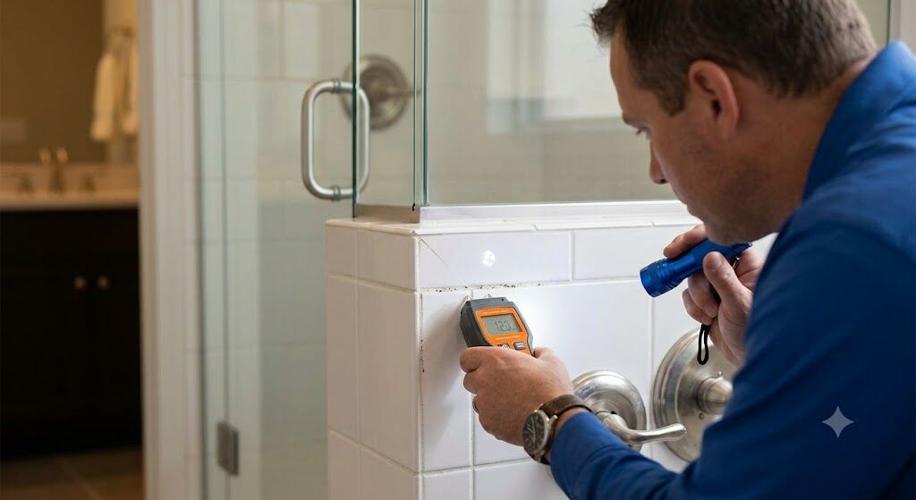
Where dampness lingers, evidence may show itself slowly. Wall stains emerge when wet conditions persist over time. Ceiling spots tend to form where condensation gathers most. Corners darken if humidity remains unchecked nearby. Paint lifts away once moisture seeps beneath its layer. Bathrooms reveal issues close to fixtures used daily. Areas above showers hold clues after repeated exposure. Edges along ceilings sometimes betray hidden cycles of wet and dry
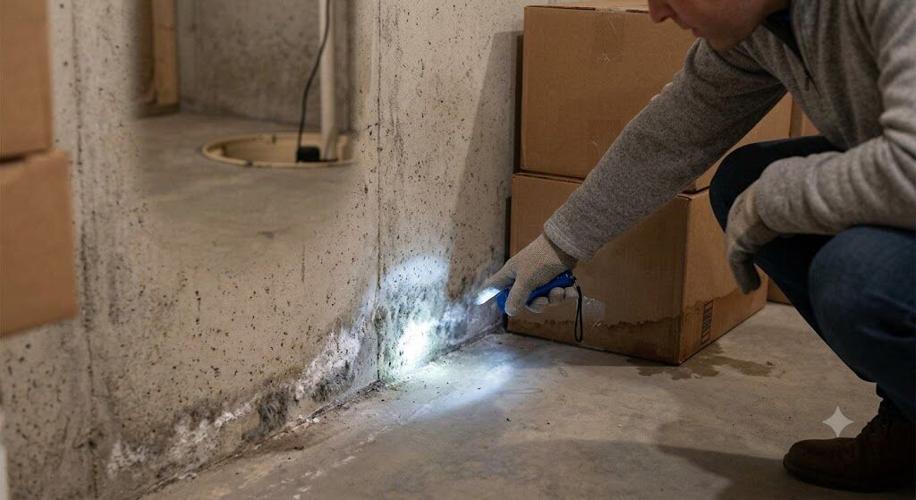
Occasionally, basements reveal faint clues like moist spots or irregular tones along concrete surfaces. Where mold fails to appear outright, such features still point toward poor moisture management. During chillier periods - when airflow often decreases - the significance of these observations grows. Particularly within for rent areas , shifting humidity levels place added stress on structural integrity.
Humidity And Air Conditions
Humidity levels matter greatly when assessing potential mold. Where bathrooms remain wet long after use, with fogged glass or moist walls, airflow likely falls short. Given such conditions, microscopic spores find suitable spots to take hold, slowly spreading without intervention.
Most basements share common issues, magnified by poor ventilation across bigger spaces. Dampness in the atmosphere typically signals moisture held captive underground. Surfaces may look clear still, yet ongoing wetness fosters environments where mold survives over time. Inside rental units generally, noticing how closed-off zones breathe reveals quiet warnings others overlook.
Ventilation And Airflow Assessment
Steam lingers where airflow is weak, especially in damp rooms below ground level. A working fan pulls wet air out during cleanup routines instead of letting it settle along walls. Open panes serve a similar purpose when machines fail or are missing entirely. Moisture left undisturbed finds hidden spots - behind tiles, under sinks - to begin spreading quietly. Air movement blocks this pattern before visible signs appear.
Where basements lack steady air movement, dampness tends to settle without clear warning. In areas with minimal airflow, humidity accumulates quietly, forming hidden zones of excess moisture. One might notice the atmosphere feels heavy - this signals limited exchange between indoor and outdoor air. Rather than relying on surface-level signs, attention shifts toward how freely air travels through enclosed spaces. Older structures frequently retain outdated designs; here, insufficient venting matters more than cracks or discoloration when judging long-term decay risks.
Plumbing And Structural Inspection
Hidden water seepage often feeds mold growth where it is least expected. From beneath sinks to spaces behind plumbing fixtures, dampness lingers without notice. Moist environments form slowly, especially within wall cavities or below floor surfaces. Wherever minor drips persist, silent damage follows. Over time, trapped wetness supports fungal presence out of sight.
Water damage often leaves traces within building components. When tiles show splits, sealant pulls away, or surfaces bend oddly, moisture could be entering over time. These flaws tend to emerge gradually, noticeable mainly upon careful look. Among several places available to lease, particularly those tagged apartments for rent Quebec City or similar postings, assessing pipe systems gives insight into upkeep quality. Properties with fewer plumbing concerns likely receive better care overall.
Tracking Past Repairs And Care Over Time

Years pass. A structure's past upkeep often hints at possible mold concerns. Though time alone does not guarantee issues, lingering dampness from unresolved seepage might accumulate across decades. Inspection gains importance here - especially where water tends to gather. Age brings no automatic failure, yet attention shifts toward basements, corners, and joints. Some vintage constructions remain sound; others reveal wear beneath surfaces. Caution grows necessary when records lack clarity on repairs.
Care taken today affects what happens tomorrow. When bathrooms receive new sealant or cracks in basement walls get fixed, signs of mold stay rare. Where repairs happen slowly, tiny leaks may become serious dampness later. The state of a structure gives clues about how well unseen dangers are handled. Appearance speaks before words ever do.
Moisture traces, airflow patterns, surface texture, and material integrity must be reviewed when checking bathrooms or basements for potential mold growth. Not every clue appears at first glance; some emerge only through slow inspection over minutes. A deliberate pause during property tours allows individuals to notice subtle cues - leading to better decisions about health and housing stability later on.


(0) comments
We welcome your comments
Log In
Post a comment as Guest
Keep it Clean. Please avoid obscene, vulgar, lewd, racist or sexually-oriented language.
PLEASE TURN OFF YOUR CAPS LOCK.
Don't Threaten. Threats of harming another person will not be tolerated.
Be Truthful. Don't knowingly lie about anyone or anything.
Be Nice. No racism, sexism or any sort of -ism that is degrading to another person.
Be Proactive. Use the 'Report' link on each comment to let us know of abusive posts.
Share with Us. We'd love to hear eyewitness accounts, the history behind an article.